Concrete quality is often evaluated by strength and durability, but the condition of the finished surface and the accuracy of its dimensions also have a direct impact on project outcomes. For contractors, developers, and construction engineers, formwork is therefore more than temporary support. Its design, material, rigidity, alignment, and installation can influence the final geometry and appearance of concrete structures. Understanding these effects helps project teams reduce rework and maintain consistent construction quality.
Why Formwork Quality Matters to Finished Concrete
Fresh concrete applies pressure to formwork, while construction activities can introduce additional loads and movement. If a formwork assembly is inadequately supported, poorly aligned, or insufficiently rigid, the resulting concrete may deviate from the intended dimensions. ACI guidance specifically addresses formwork design, construction, tolerances, inspection, and formed-surface irregularities as important aspects of concrete construction.
Dimensional accuracy matters particularly for walls, columns, beams, slabs, openings, and interfaces with other building components. A small deviation can affect subsequent installation work, including doors, windows, façades, mechanical systems, and interior finishes. ACI defines tolerances as permissible variations in specified dimensions, locations, or quantities, making them an important bridge between design requirements and site execution.
How Formwork Systems Shape Surface Finish
The contact surface of a form directly influences the appearance of concrete after stripping. Uneven or damaged forming surfaces can contribute to visible irregularities, while inconsistent joints or poorly managed connections can leave unwanted marks. ACI resources identify issues such as honeycombing, air voids, and form streaking among formed-surface defects that construction teams need to prevent.
The condition of the formwork systems also matters over repeated pours. Dirt, damage, excessive wear, or inconsistent release-agent application can affect surface consistency from one cycle to the next. For projects where exposed concrete is part of the architectural finish, the formwork material and construction method therefore need to be selected according to the specified appearance rather than treated as a secondary consideration.
Rigidity and Alignment Support Dimensional Control
A well-designed formwork system should maintain its intended geometry while concrete is placed and consolidated. Bracing, connections, supports, and accurate positioning all contribute to this objective. ACI guidance recommends that project documents establish concrete tolerances and that formwork design and construction be coordinated to meet those requirements.
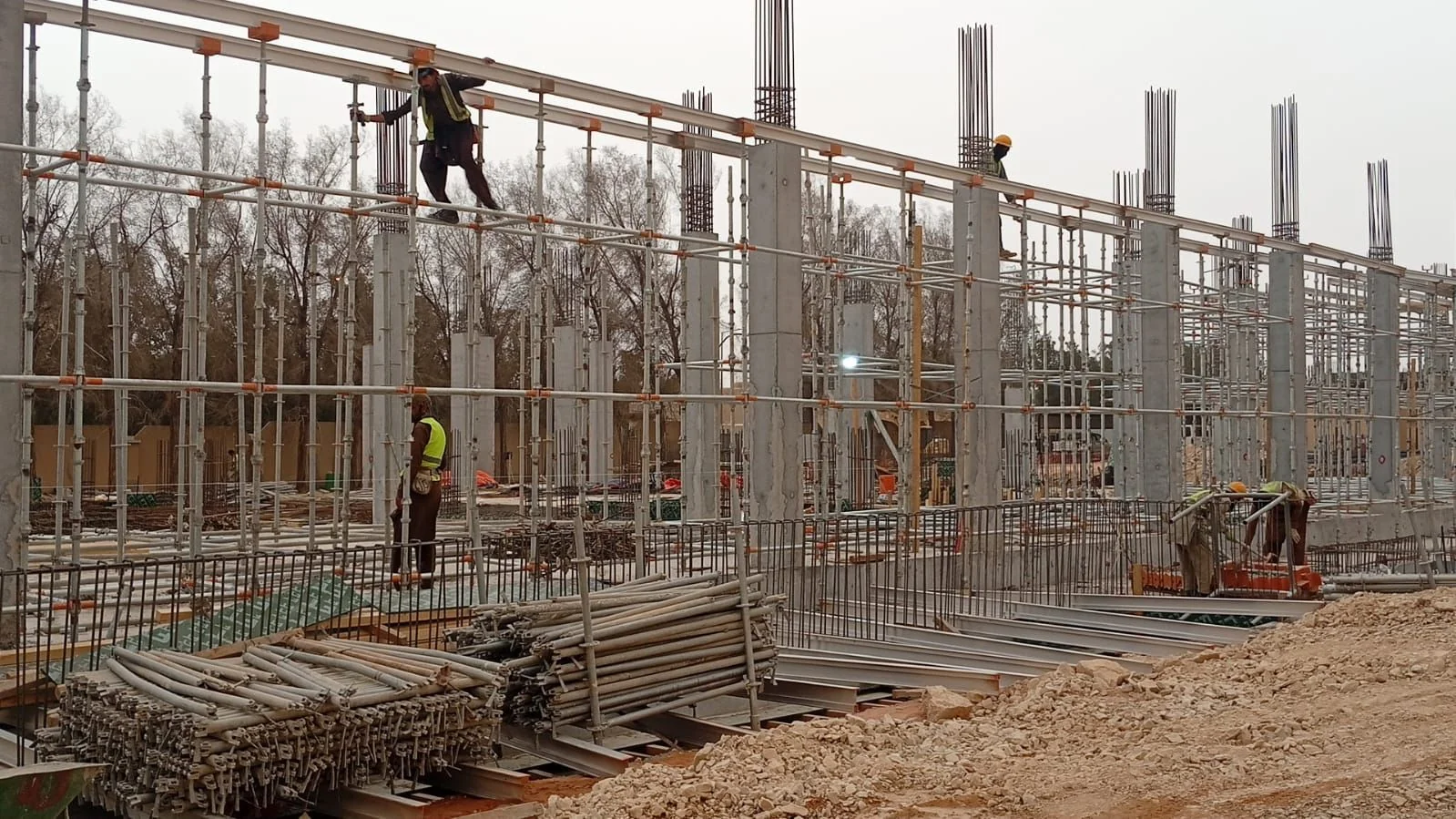
Alignment is particularly important when multiple structural elements must connect accurately. If wall panels shift or a column form moves during placement, correcting the resulting concrete geometry after curing can be difficult and expensive. Regular inspection and adjustment before and during concrete placement can therefore help identify problems before they become permanent defects.
Repetition Makes System Consistency More Valuable
For high-rise residential buildings, apartments, and other projects with repetitive layouts, consistency across construction cycles can be as important as initial installation speed. A modular system allows crews to work with repeatable panel arrangements and established assembly procedures, helping maintain similar dimensions and surface characteristics across floors.
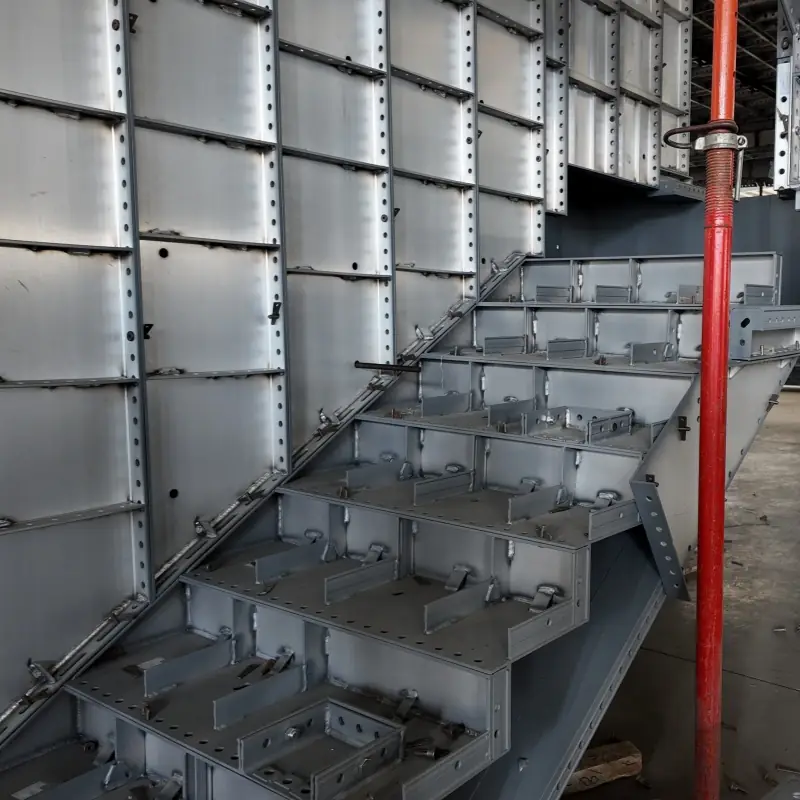
Our aluminum formwork system is designed around this requirement. We use a lightweight, high-strength aluminum alloy solution for concrete walls, columns, beams, slabs, staircases, and elevator shafts. Its modular configuration supports quick assembly and dismantling while helping produce smooth and consistent concrete finishes through repeated construction cycles.
Aluminum Formwork for Repetitive Concrete Construction
Material selection also affects how practical a formwork system is for repeated use. Aluminum combines relatively low weight with the strength required for construction applications, making it suitable for projects where formwork must be frequently moved, assembled, and stripped.
Our aluminum formwork system can achieve over 300 reuse cycles, making it particularly suitable for high-rise residential, apartment, commercial, and other developments with repetitive structural layouts. Reusability can help contractors standardize forming operations while reducing the need to introduce completely new forming arrangements for each structural cycle.
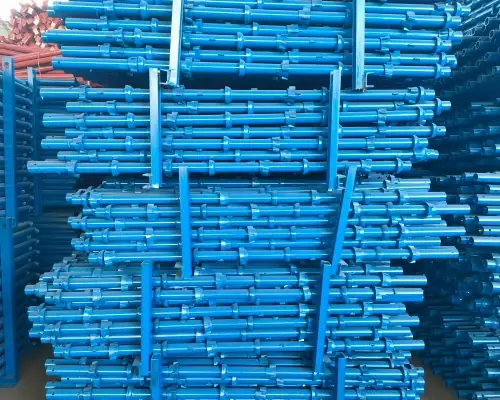
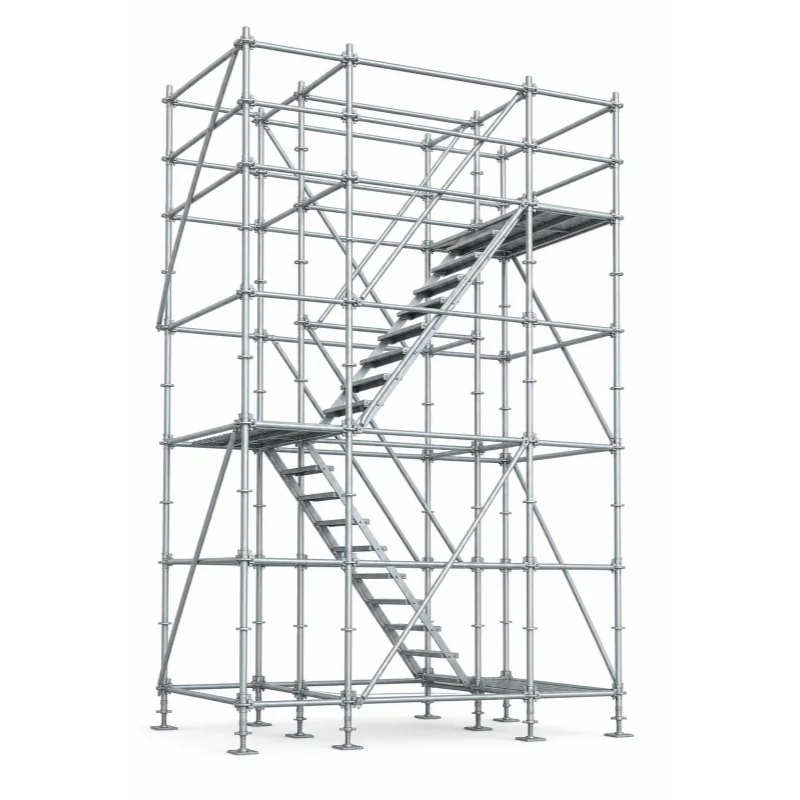
This repeatability also creates a connection between formwork planning and procurement. Contractors evaluating scaffolding for sale or other construction support products should consider compatibility, project sequence, load requirements, installation procedures, and the intended concrete finish rather than comparing products by price alone. Formwork and supporting systems need to function as part of an integrated construction process.
Installation and Inspection Still Determine the Result
Even a well-engineered system cannot compensate for poor site practices. Before concrete placement, crews need to check dimensions, alignment, connections, cleanliness, supports, and other relevant details against the project requirements. During placement, monitoring can help identify movement or other issues that may affect the finished structure.
The relationship between design and execution is emphasized in ACI guidance: formwork specifications should clearly establish expected results, while the formwork engineer and contractor coordinate the design and construction approach needed to achieve those requirements.
Choosing Formwork Systems for Project Requirements
The most suitable formwork solution depends on building geometry, repetition, required finish, construction sequence, available labor, and dimensional tolerances. A system that works efficiently for repetitive apartment floors may not be the best choice for a highly irregular structure.
For contractors and developers, the decision should therefore extend beyond initial equipment cost. Durability, reuse potential, assembly efficiency, dimensional consistency, surface quality, and compatibility with the construction sequence all influence the total value of a formwork solution.
Building More Consistent Results With Rongze
At Rongze, we recognize that concrete formwork needs to support both structural requirements and practical site productivity. Our aluminum formwork system combines lightweight construction, modular assembly, high strength, and reusability for demanding repetitive concrete projects. With more than 300 reuse cycles and applications covering walls, columns, beams, slabs, staircases, and elevator shafts, we provide a solution designed to help contractors pursue consistent finishes and dimensional accuracy throughout repeated construction cycles.