Construction projects rarely fail because one major scaffolding item was overlooked. More often, delays come from missing connectors, insufficient bracing, unsuitable access equipment, or components that do not match the selected system. Building a complete material list before procurement helps contractors coordinate installation, control costs, and keep the scaffold suitable for its intended use.

Start With the Right Scaffolding System
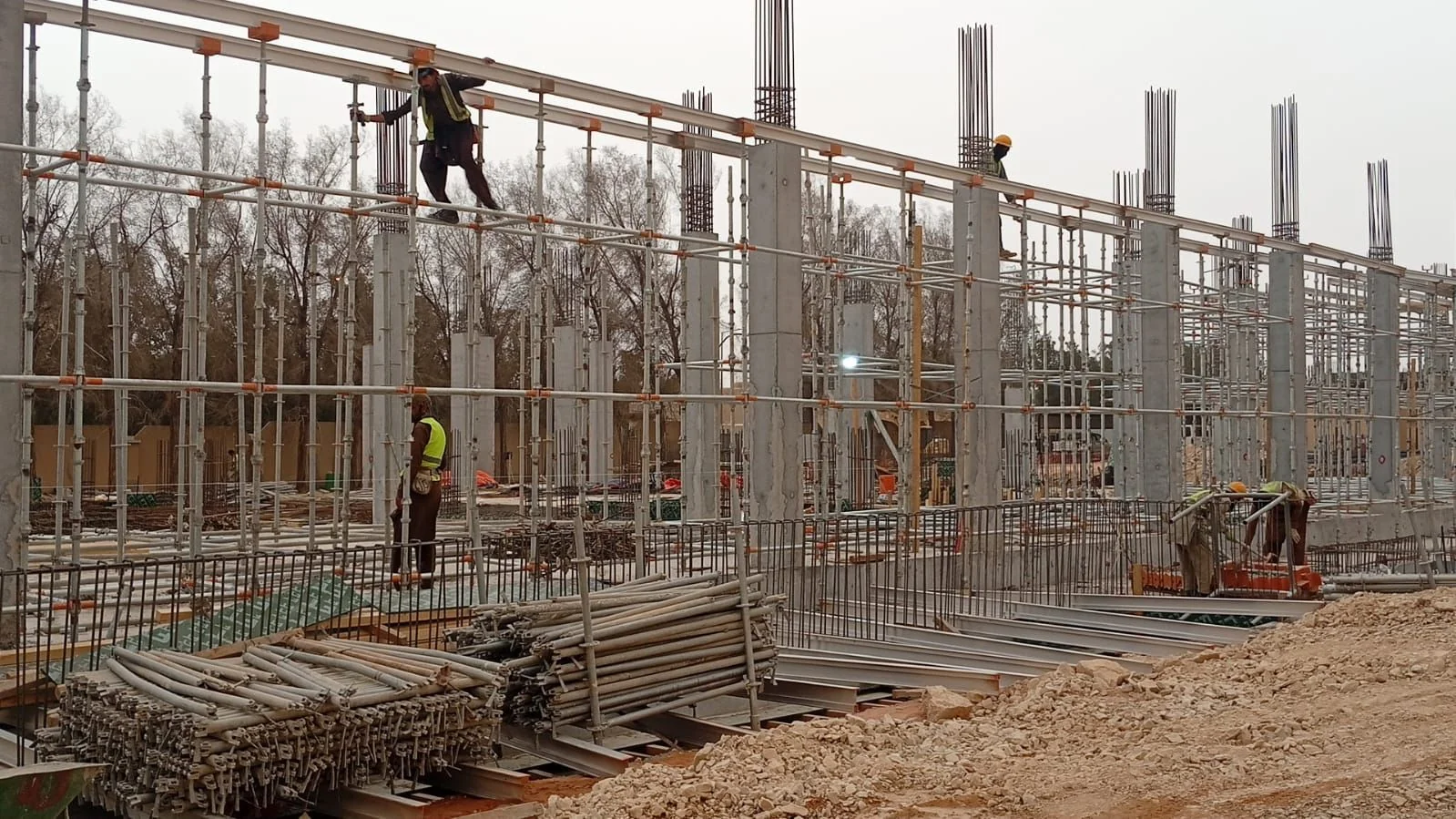
The first step is identifying the scaffolding system required for the project. Different systems are designed around different connection methods, load requirements, working conditions, and installation practices. Frame scaffolding, ringlock, and cuplock systems are common options, but the best choice depends on the building configuration and construction activities.
Frame scaffolding is widely used because its modular structure supports relatively fast assembly and dismantling. OSHA describes fabricated frame scaffolds as versatile and economical, with applications ranging from smaller projects to multi-story construction.
For procurement teams searching for scaffolding for sale, the system should therefore be selected before individual components are ordered. Mixing components from incompatible systems can complicate erection and may affect the intended structural arrangement.
Essential Structural Components
Once the system is selected, the material list should cover the primary load-bearing and stabilizing elements. For frame scaffolding, this generally starts with end frames or panels, followed by cross braces, horizontal members where required, coupling or stacking connections, and other system-specific fittings.
Bracing deserves particular attention. OSHA requires fabricated frame scaffolds to use cross, horizontal, or diagonal braces, or combinations of these, to secure vertical members laterally. Brace connections also need to be secured, while stacked frames must remain plumb, level, and square.
The base should also be included in the initial calculation. Base plates, adjustable bases, mudsills, or other suitable foundation arrangements help establish a firm footing. OSHA specifies that supported scaffold footings must be level, sound, rigid, and capable of supporting the loaded scaffold without settling or displacement.
Platforms, Access, and Fall Protection
A complete list cannot stop at structural frames. Platforms or decking provide the actual working surface, so their dimensions, capacity, and compatibility with the selected scaffold need to be considered. OSHA requires scaffold platforms to be capable of supporting their own weight plus four times the maximum intended load.
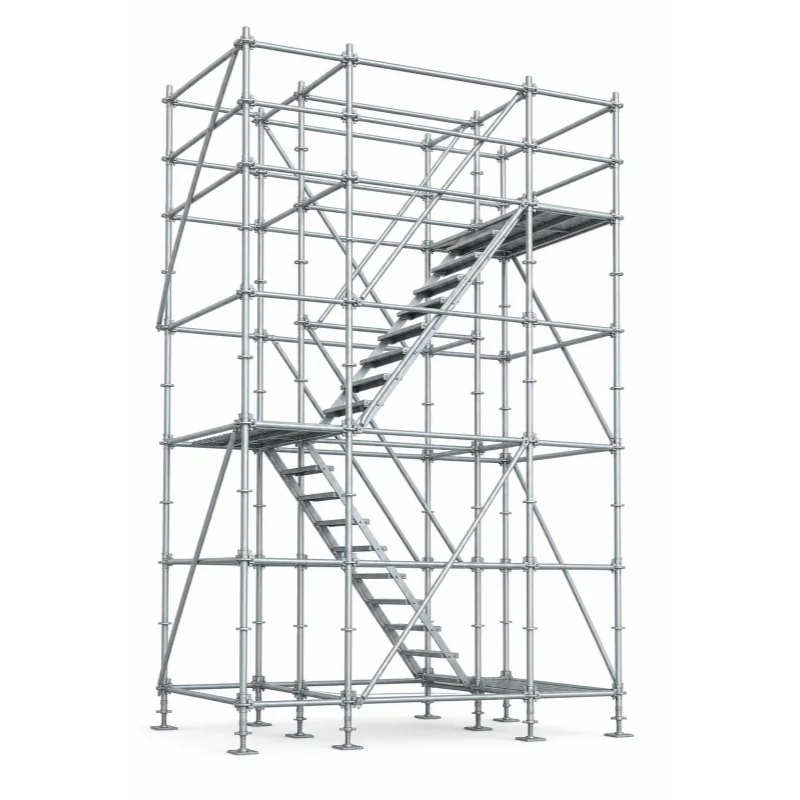
Access equipment should be listed separately rather than treated as an afterthought. Depending on the scaffold configuration, projects may require ladders, stair access, or other designated access solutions. Workers should not simply climb scaffold frames as a substitute for proper access.
Fall-protection components are equally important. Depending on the applicable regulations and project conditions, the material list may include guardrails, midrails, toeboards, and related fittings. OSHA requires protection for employees working on scaffolds more than 10 feet above a lower level, subject to specified exceptions.
Check Connections and Supporting Accessories
Small components can have a major impact on procurement accuracy. Couplers, pins, locking devices, brackets, base jacks, and other fittings should be identified according to the selected scaffolding system and required configuration.
For example, fabricated frame scaffolds use coupling or stacking pins, or equivalent means, to join frames vertically. Where uplift could displace frames, OSHA also requires appropriate locking provisions.
Projects using supported scaffolds may additionally require ties, guys, braces, or equivalent measures to prevent tipping. OSHA specifies restraint requirements for supported scaffolds exceeding a 4:1 height-to-base-width ratio.
Match Quantities to the Construction Plan
After identifying components, contractors should calculate quantities according to the building dimensions, scaffold height, working levels, platform arrangement, and expected construction sequence. It is useful to divide the list into primary structure, bases, platforms, access, safety components, connectors, and spare parts.
This approach makes procurement easier to review. It also helps purchasing teams distinguish between components required for every scaffold bay and items needed only at specific elevations, corners, ends, or access points.
When evaluating scaffolding components for sale, buyers should also check dimensions, material, connection type, compatibility, applicable standards, and supplier documentation rather than comparing price alone. A lower unit price is of limited value if additional adapters or replacement components are needed later.
Building a More Complete Supply Plan With Rongze
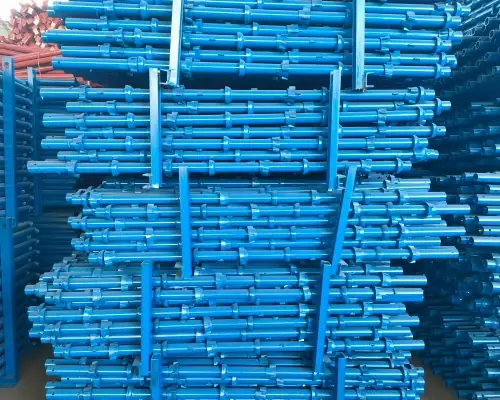
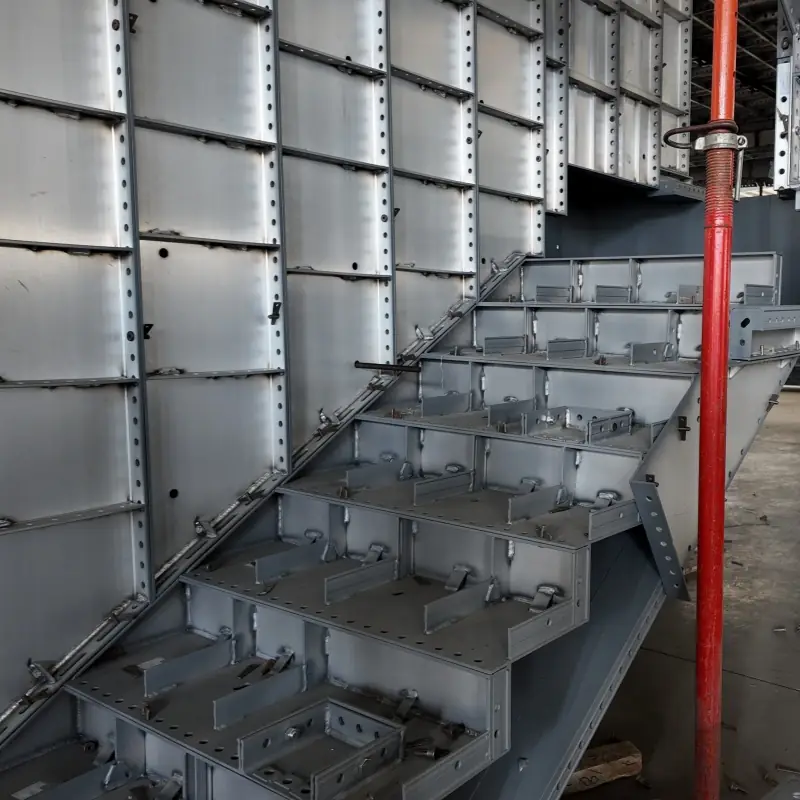
We support construction projects with scaffolding and formwork solutions designed around different site requirements. Our product portfolio includes ringlock, cuplock, and frame scaffolding, along with adjustable steel props, steel formwork systems, aluminum formwork, and related scaffolding components.
Rongze‘s frame scaffolding provides a modular option for projects that prioritize straightforward installation and dismantling. By offering multiple scaffolding systems and supporting products, we help customers select materials according to commercial, industrial, and general construction requirements.
A complete material list should ultimately connect the scaffold design with the actual work plan. Starting with the system, then covering structural members, bases, platforms, access, fall protection, connections, and quantities creates a more reliable procurement process. We provide scaffolding and formwork options that allow contractors and project purchasers to build that supply plan around their specific construction needs.