Complex construction projects often involve irregular structures, changing elevations, and demanding working conditions. For contractors and engineering teams, selecting a scaffolding solution that can adapt to different layouts is essential for maintaining safety, efficiency, and project progress. At Rongze, we provide advanced modular scaffolding solutions designed to support complex construction environments. Our ringlock scaffolding system helps global customers overcome layout challenges with flexible configurations, reliable performance, and efficient installation.
Why Complex Projects Require Flexible Scaffolding Solutions
Modern construction projects are becoming increasingly diverse. Commercial buildings, bridges, industrial facilities, and infrastructure developments often include unique structural designs that cannot be supported by standard access systems alone.
Traditional scaffolding solutions may face limitations when projects involve curved structures, uneven surfaces, different working heights, or restricted spaces. In these situations, contractors need a system that can be adjusted according to specific site conditions.
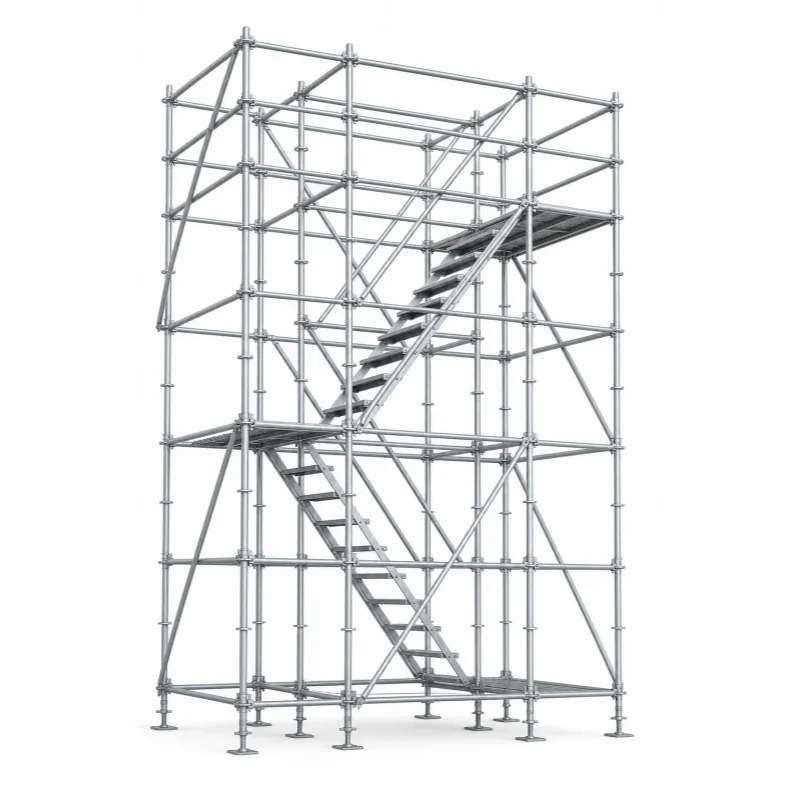
Our ringlock scaffolding is designed to provide this flexibility. Through a modular connection system, components can be arranged in different directions and configurations, allowing construction teams to create stable working platforms for various applications.
Modular Design Enables Adaptation to Different Layouts
The key advantage of a ringlock scaffolding system is its modular structure. Unlike fixed scaffolding solutions, Ringlock systems use standardized components that can be combined according to project requirements.
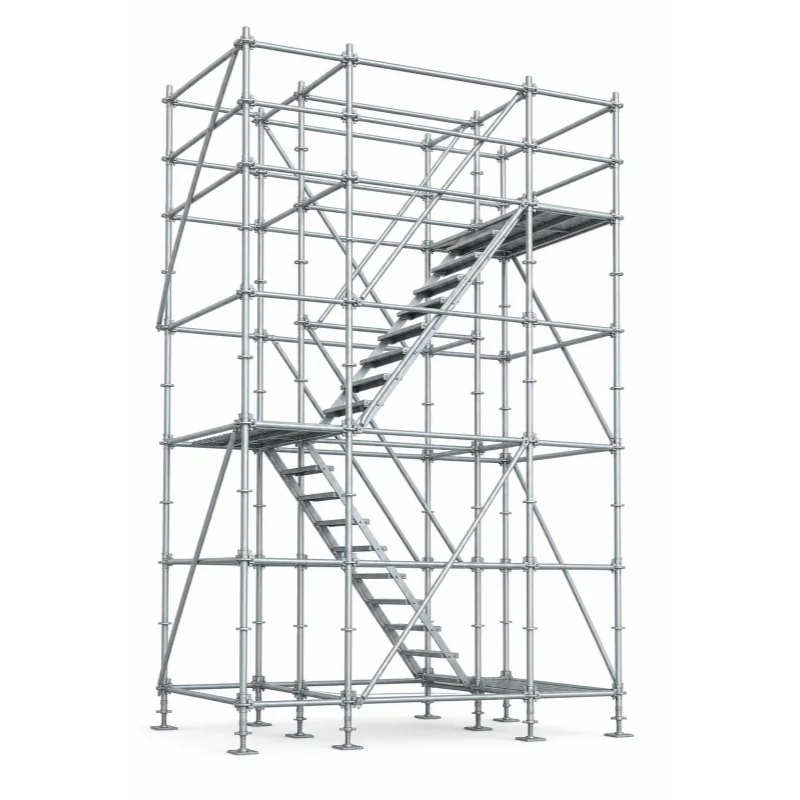
At Rongze, our Ringlock Scaffolding System features a unique rosette locking mechanism. This design allows horizontal ledgers, diagonal braces, and other components to connect quickly and securely without relying on loose fittings.
The modular connection method enables contractors to adjust scaffold dimensions, heights, and shapes more efficiently. Whether a project requires a large working platform, narrow access space, or multi-level support structure, the system can be configured to meet different construction needs.
Supporting Irregular Structures with Flexible Connections
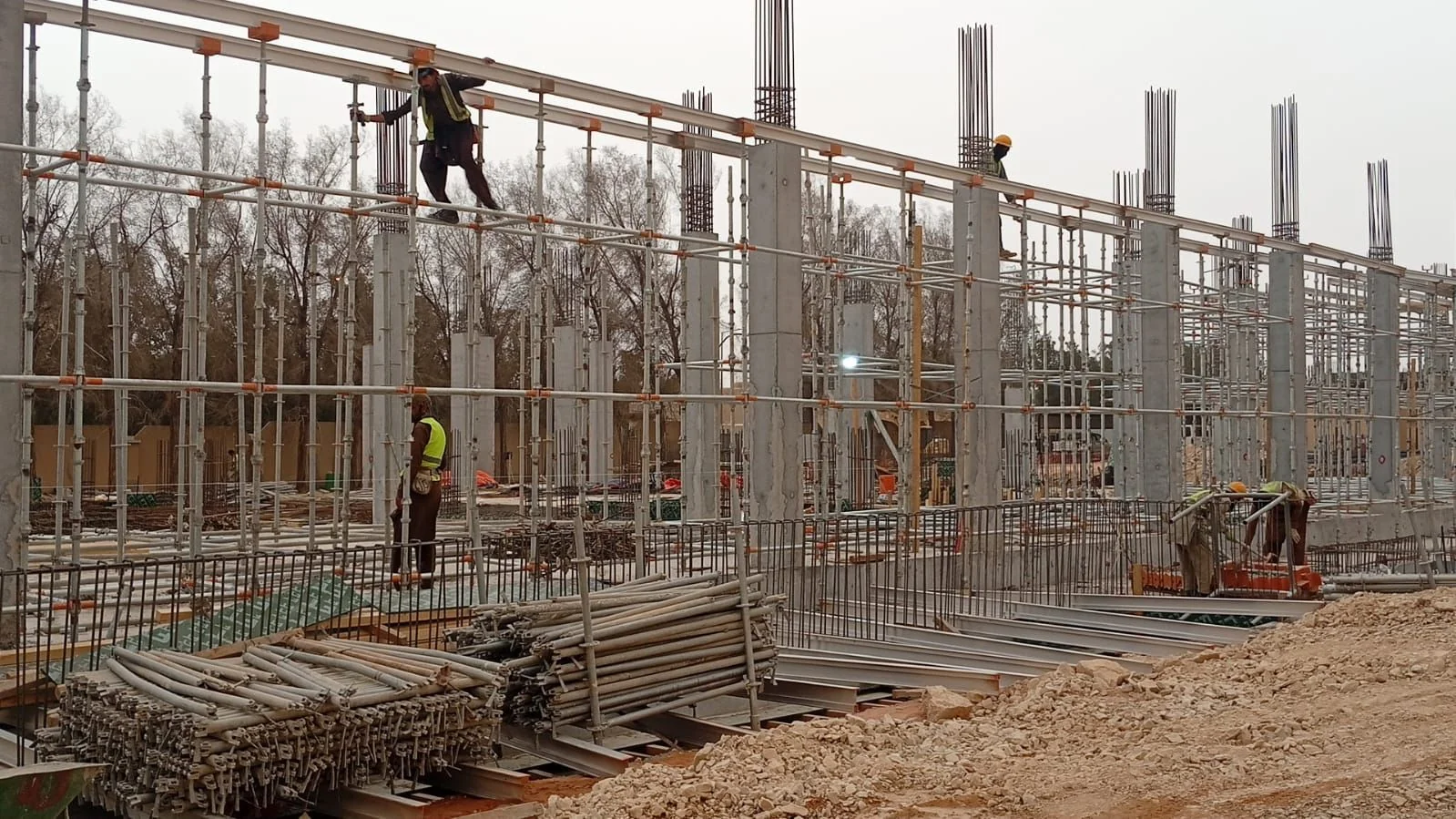
Many large-scale projects include complex architectural features or challenging engineering conditions. For example, bridges, stadiums, industrial plants, and high-rise buildings often require scaffolding systems that can follow changing structural layouts.
Our ringlock scaffolding provides multiple connection points through its rosette design, allowing components to be installed at different angles. This flexibility can reduce the need for ad hoc modifications when the scaffold is properly planned and configured for the project. By adapting to irregular layouts, the system helps reduce installation difficulties and improves overall construction efficiency.
Improving Efficiency Through Quick Installation
Construction schedules are often under pressure, making installation speed an important consideration when selecting scaffolding. A system that requires complicated assembly processes can increase labor costs and delay project completion.
The ringlock scaffolding system from our company is designed for efficient installation. The rosette locking mechanism allows workers to connect components quickly, reducing assembly time compared with traditional fastening methods.
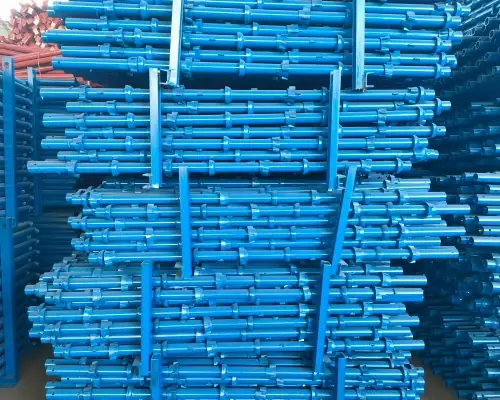
Our modular design also simplifies transportation, storage, and site management. Since components are standardized and easy to organize, construction teams can improve workflow efficiency while reducing unnecessary labor requirements.
Ensuring Stability in Demanding Working Environments
Flexibility is important, but safety remains the primary requirement for any scaffolding system. Complex layouts often create additional challenges, including higher loads, outdoor exposure, and long-term usage requirements.
At Rongze, we manufacture our Ringlock Scaffolding System with premium-grade steel and precision welding technology. This manufacturing approach provides excellent durability and structural reliability even under harsh working conditions.
The system also features hot-dip galvanized finishing, which delivers superior corrosion resistance. This protection makes our ringlock scaffolding suitable for both indoor and outdoor applications, helping maintain stable performance across different environments.
A Reliable Choice for Construction and Infrastructure Applications
Different industries require scaffolding solutions with different performance characteristics. Construction projects may focus on height and accessibility, while infrastructure projects may require stronger support structures and greater adaptability.
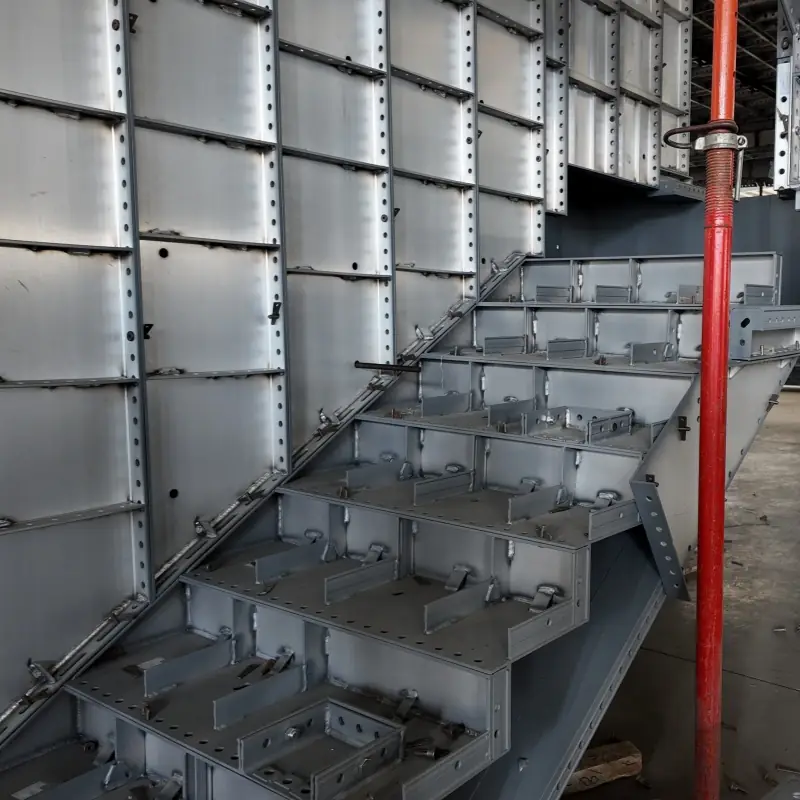
Our Ringlock Scaffolding System is designed for applications including construction, industrial maintenance, infrastructure projects, and formwork support. Its combination of strength, flexibility, and installation efficiency makes it suitable for various professional applications.
As an experienced construction material supplier, we understand that every project has unique requirements. We work closely with customers to provide scaffolding solutions that match their operational goals and site conditions.
Building More Efficient Projects with Flexible Ringlock Solutions
Complex construction layouts require scaffolding systems that can provide both adaptability and reliability. A flexible modular structure allows contractors to respond to changing site conditions while maintaining safety and productivity.
At Rongze, our system uses Q235/Q355 steel, a rosette-based connection, wedge-lock assembly, and hot-dip galvanized finishing, providing a product configuration suited to a range of construction, infrastructure, industrial, and formwork-support applications.
For B2B buyers, the appropriate configuration should still be determined by project geometry, loads, working height, bracing requirements, and applicable site regulations.