Choosing between steel and aluminum formwork is not simply a matter of material preference. Contractors need to consider handling requirements, expected reuse, project scale, labor availability, and the loads imposed on the formwork system. As a professional scaffolding manufacturer, Rongze understands the importance of providing dependable construction support solutions that meet different project conditions and customer expectations.
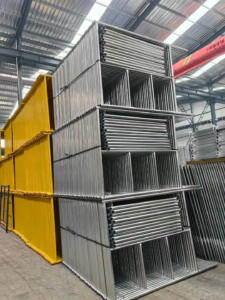
Understanding Material Selection in Formwork Construction
Formwork construction plays a critical role in modern building projects by creating molds and support systems for concrete structures before they achieve sufficient strength. The materials used for formwork directly influence installation speed, durability, and the quality of finished concrete surfaces.
Steel and aluminum are two commonly used materials for formwork systems. Both options provide unique advantages, but their suitability depends on project scale, working conditions, budget considerations, and reuse requirements.
At Rongze, we focus on delivering flexible and customized scaffolding and steel support solutions for global construction needs. We carefully evaluate customer requirements and provide solutions that balance safety, efficiency, and long-term value.
Strength and Durability Advantages of Steel Formwork
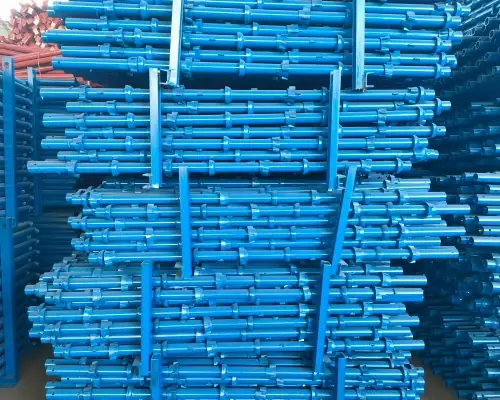
Steel has long been recognized as a reliable material for demanding construction environments. Its high strength and excellent load-bearing capability make it suitable for large-scale projects that require stable support structures.
One of the major benefits of steel formwork is its durability. Steel panels and components can withstand repeated use, heavy pressure from concrete pouring, and challenging jobsite conditions. This makes steel a practical choice for contractors working on infrastructure projects, commercial buildings, and industrial facilities.
We at Rongze understand that construction companies often prioritize long service life and consistent performance. Steel formwork systems can provide strong structural stability, helping reduce deformation risks and maintain accurate concrete shapes during construction.
However, steel is heavier compared with aluminum. Transportation and installation may require more labor or lifting equipment, which should be considered when planning project operations.
Lightweight Benefits of Aluminum Formwork Systems
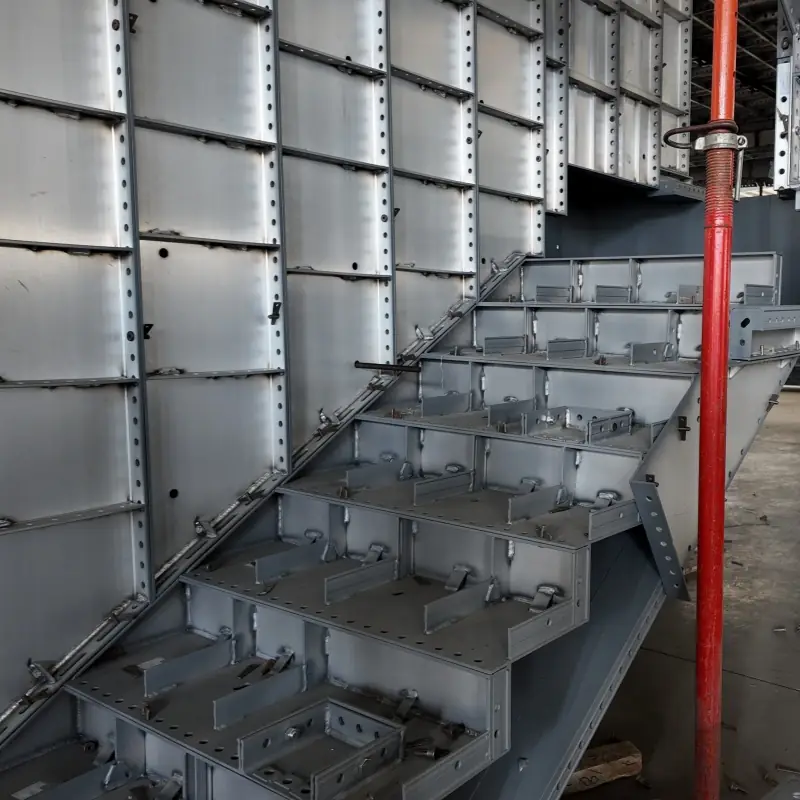
Aluminum formwork has gained popularity in construction projects that require fast installation and repeated use. Its lower weight can make components easier to handle and assemble, which may reduce manual handling requirements and support faster installation when the system is properly designed for the project.
For projects with standardized designs, such as residential buildings and high-volume developments, aluminum formwork can offer significant efficiency advantages. Faster assembly and removal cycles can help shorten construction schedules and improve overall project productivity.
Another advantage of aluminum is its corrosion resistance. Compared with traditional steel without protective treatment, aluminum naturally forms an oxide layer that helps protect the material from environmental exposure.
Although aluminum offers excellent mobility and efficiency, its initial investment cost is generally higher. Project owners and contractors need to consider the expected reuse frequency and long-term benefits before making a decision.
Comparing Steel and Aluminum for Different Project Requirements
Choosing between steel and aluminum depends on several important factors. Project size, construction speed, budget, and reuse expectations all influence the most suitable option.
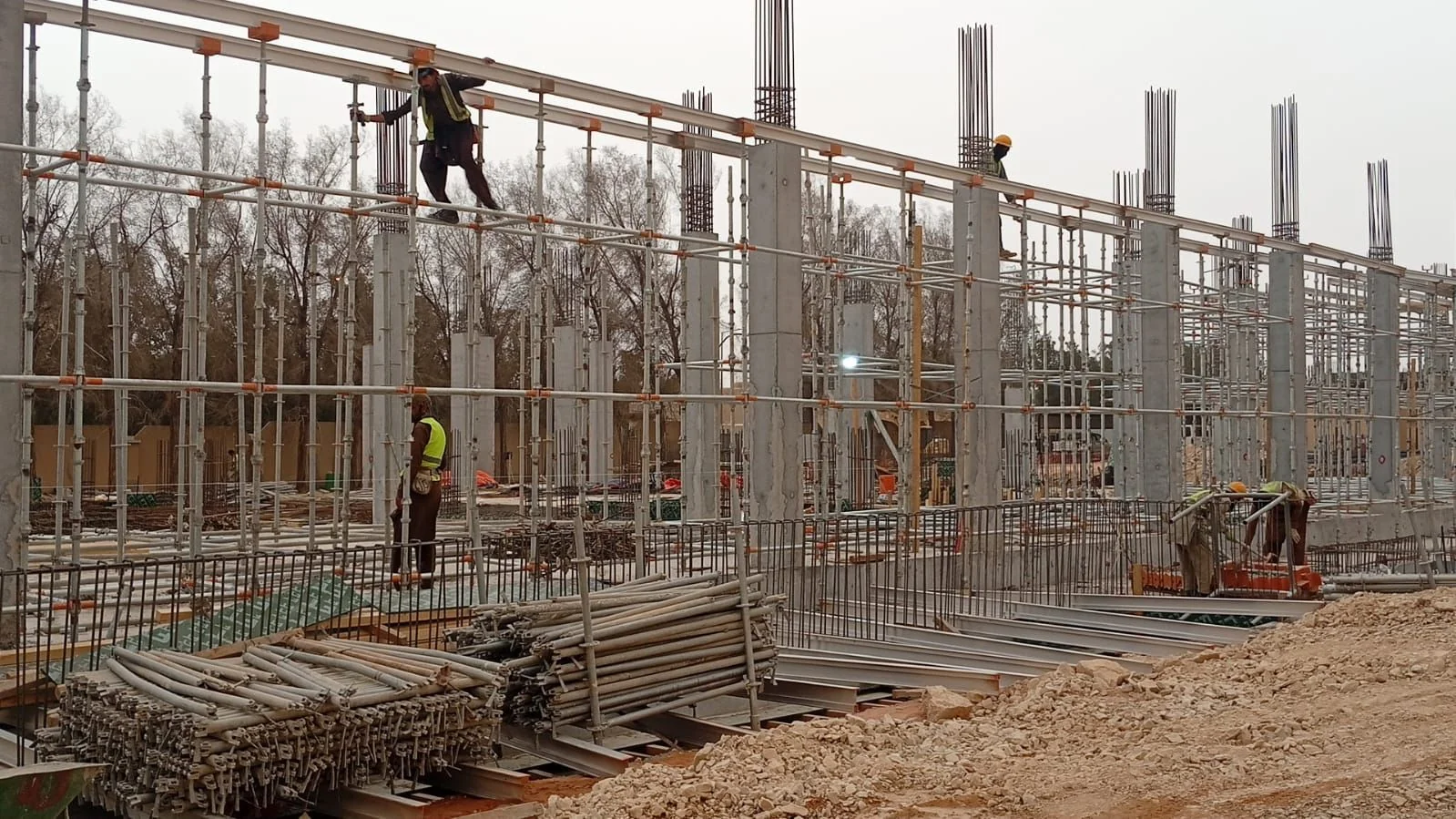
For large infrastructure projects or applications with demanding load requirements, steel formwork may be preferred when its higher structural capacity and durability align with the project design. Its durability makes it suitable for environments where formwork systems need to operate under demanding conditions.
For projects where speed and labor efficiency are key priorities, aluminum formwork can provide advantages through easier handling and faster installation. This makes it attractive for repetitive construction projects with similar building layouts.
From a long-term perspective, both materials can provide strong value when selected correctly. The right choice should be based on a detailed evaluation of project requirements rather than focusing only on initial costs.
How Rongze Supports Modern Construction Needs
As construction demands continue to evolve, companies need partners that can provide reliable products and professional support. At Rongze, we combine manufacturing experience with customer-focused service to develop solutions that match different market requirements.
We continuously improve our products, optimize manufacturing processes, and enhance our international trade services to adapt to changes in the global construction industry. Our goal is to help customers achieve safer, more efficient, and more cost-effective construction operations.
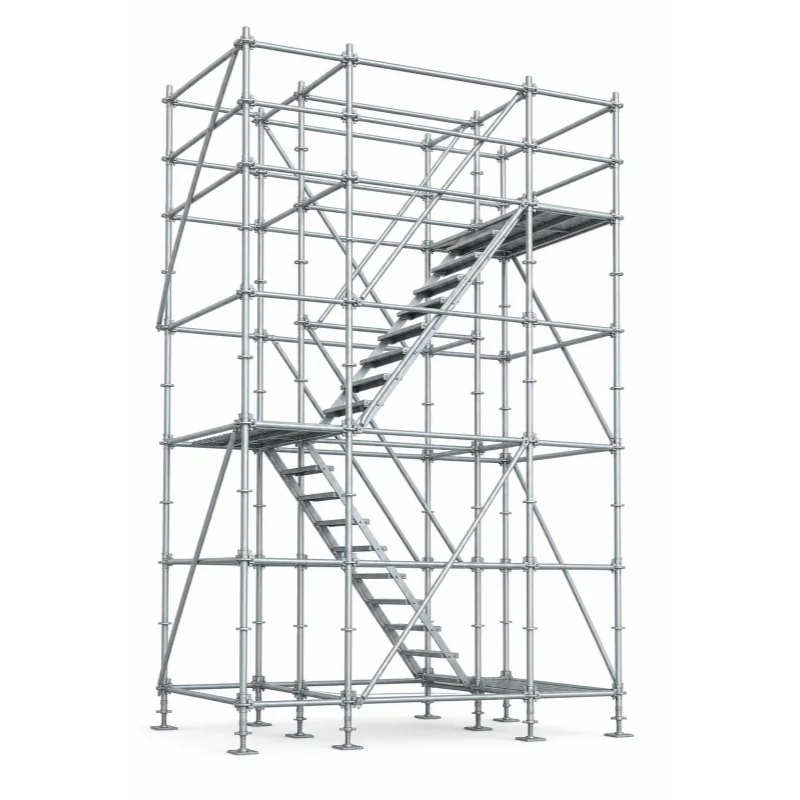
With a strong understanding of scaffolding systems and construction support solutions, we work closely with clients to provide customized recommendations. For projects that require steel-based formwork or supporting systems, contractors can evaluate material selection alongside factors such as project scale, load requirements, reuse frequency, and handling conditions.
Making the Right Choice for Future Construction Projects
Material selection has a direct impact on the success of formwork construction projects. Steel provides outstanding strength, durability, and reliability, while aluminum offers lightweight advantages and improved installation efficiency. Understanding these differences allows construction professionals to make better decisions based on their specific project goals.
At Rongze, we are committed to supporting customers with high-quality construction solutions and professional service. As an experienced scaffolding manufacturer, we continue to innovate and improve our offerings to meet the changing needs of global builders. By choosing suitable materials and reliable partners, construction companies can create safer, more efficient, and more successful projects.