Construction projects often require scaffolding that can adapt to changing elevations, layouts, and working conditions without creating unnecessary complexity. Ringlock scaffolding addresses this need through a modular connection system built around standardized components. Understanding the function of each part helps contractors plan quantities, evaluate configurations, and select equipment that supports efficient assembly and reliable site performance.
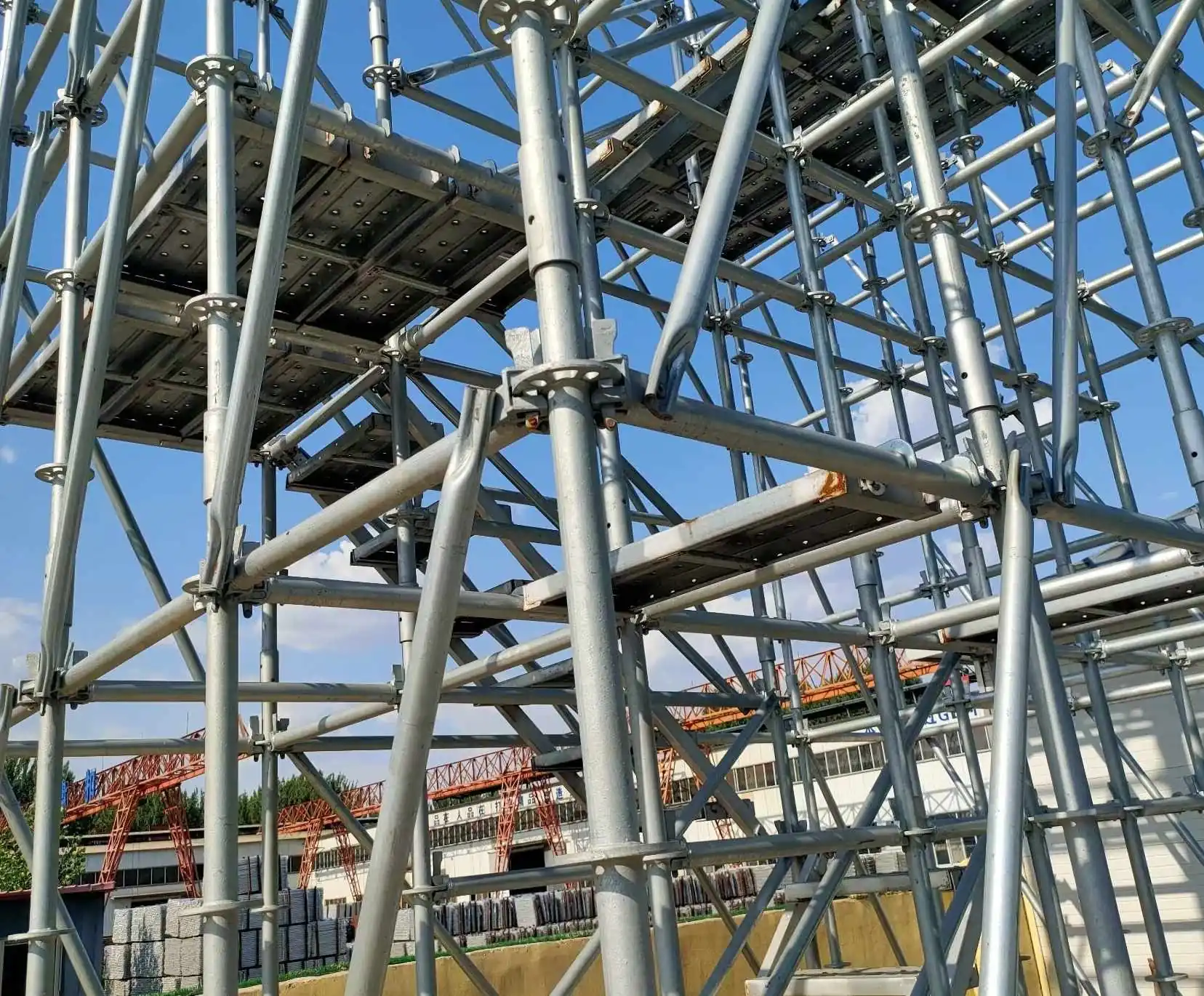
How Ringlock Scaffolding Creates a Modular Structure
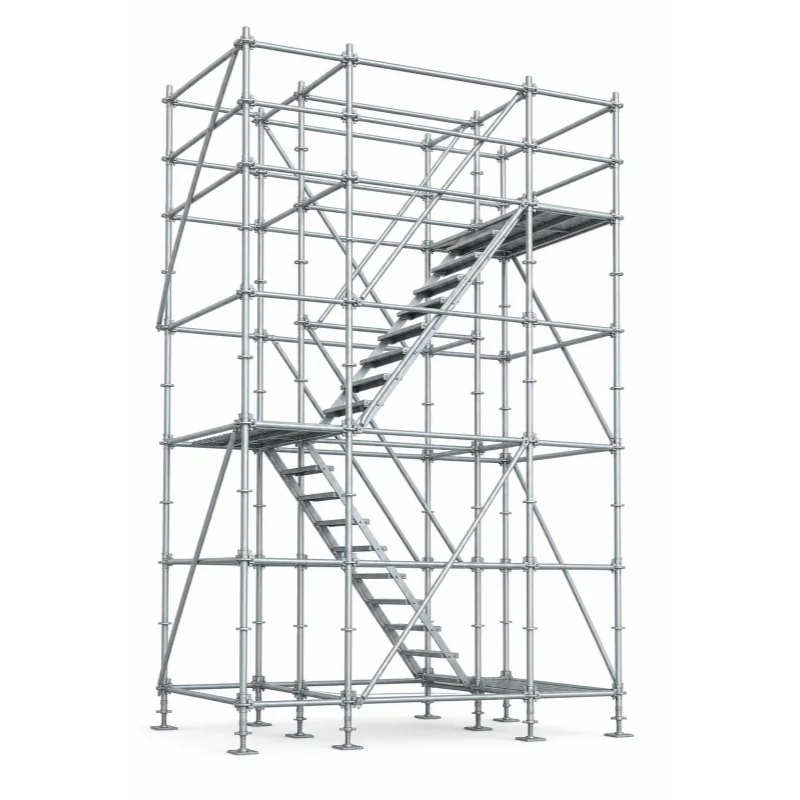
Ringlock scaffolding uses vertical standards with rosettes at regular intervals to connect horizontal and diagonal members. Wedges on the ledgers and braces lock into the rosettes, creating rigid connections without relying on conventional threaded couplers for every joint. This allows the scaffold to be assembled into different configurations according to the geometry and requirements of a project.
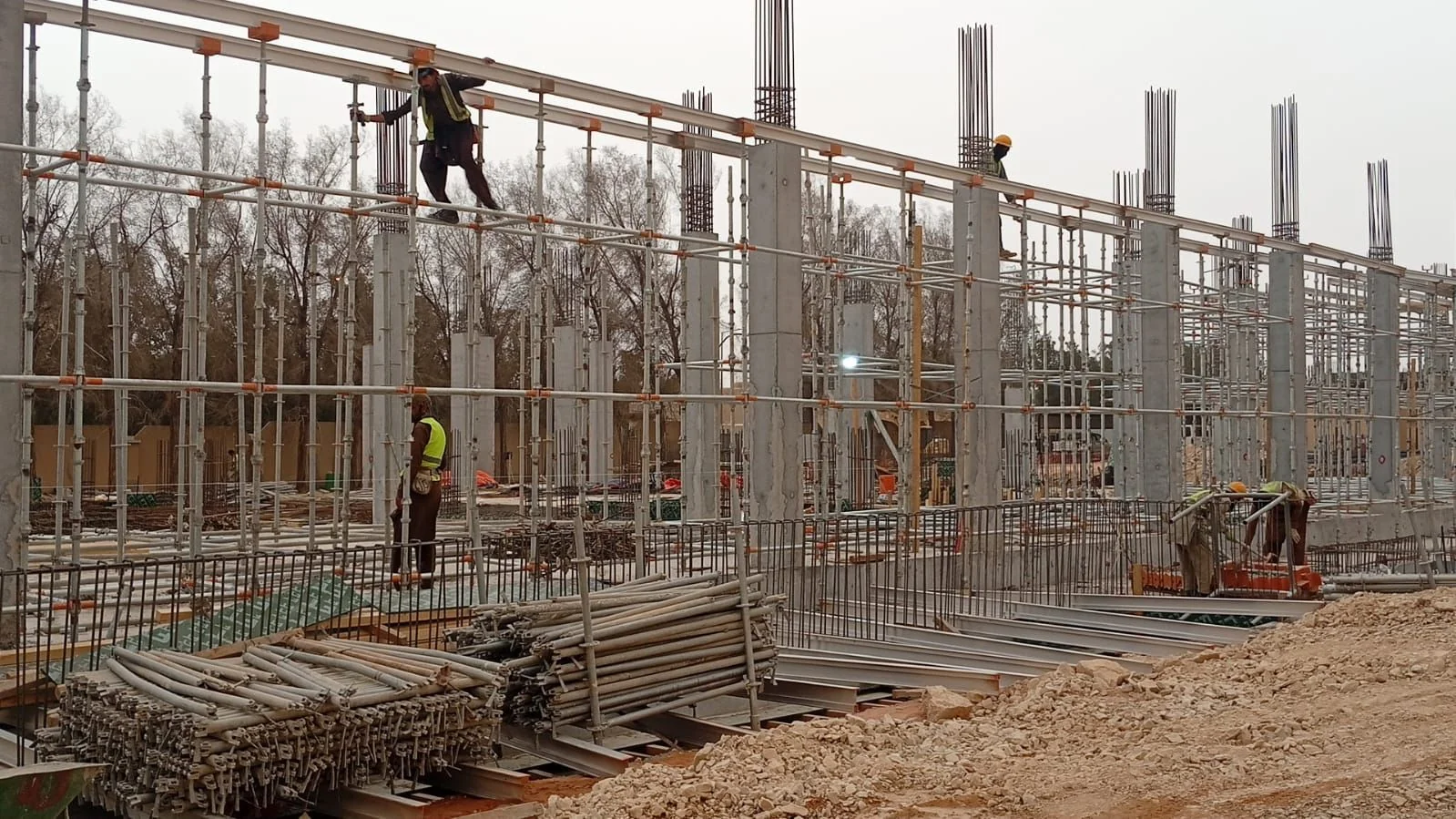
We see modularity as particularly valuable for contractors handling varied applications. A properly configured system can support construction work, industrial maintenance, infrastructure projects, and formwork support. The same basic components can be arranged into different elevations, working platforms, access structures, and support layouts when designed and assembled appropriately.
Standards Carry the Vertical Load
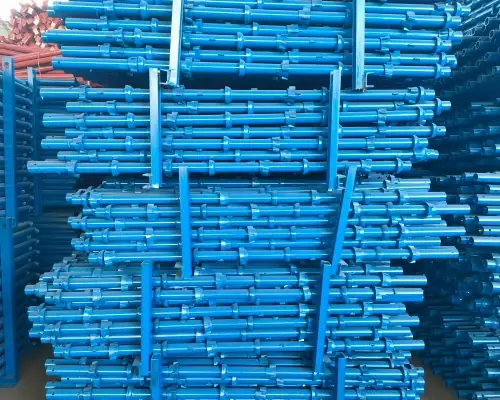
Ringlock standards, also called verticals, form the primary vertical members of the scaffold. They transfer loads from ledgers, transoms, platforms, and other supported elements toward the foundation. Rosettes positioned along the standards provide connection points for horizontal and diagonal members at the required lift levels.
When planning a scaffold, the standard layout determines the basic grid of the structure. Contractors therefore need to consider bay dimensions, scaffold height, working loads, access requirements, and foundation conditions before establishing quantities. Standards must be properly supported and aligned, while the complete structure needs to comply with applicable design and safety requirements.
Ledgers Connect the Scaffold Horizontally
Ringlock scaffolding ledgers, or horizontals, connect adjacent standards and establish the scaffold’s horizontal framework. They also help maintain the intended bay dimensions and contribute to the overall stability of the assembled structure. Their lengths are selected according to the required scaffold layout rather than simply according to available stock.
Ledgers also interact with decks, guardrails, braces, and other components. This makes accurate component matching important during procurement. A ledger should be compatible with the selected standard and connection system, while its dimensions and structural capacity should suit the intended application. Clear component specifications can help reduce ordering errors and simplify site inventory management.
Diagonal Braces Strengthen the Framework
Diagonal braces are essential ringlock scaffolding components for controlling lateral movement and strengthening the scaffold’s overall geometry. They connect standards at different levels and create triangulated sections within the structure. The number and placement of braces depend on the scaffold arrangement, height, loading, exposure, and engineering requirements.
Bracing should therefore be planned as part of the scaffold design rather than added after the primary frame has been erected. Contractors should follow the applicable regulations, project-specific engineering requirements, and the system manufacturer’s instructions when determining the required bracing configuration.
Steel Planks Create the Working Surface
Steel planks, or decks, provide the working surface where personnel, tools, and permitted materials are positioned. Their dimensions need to correspond with the scaffold bay so that the platform can be properly supported. The required number of planks depends on the platform width, bay arrangement, and levels that need to be decked.
We recommend considering deck capacity and surface requirements alongside the rest of the system. Platform loading should be determined according to the intended use and applicable standards. Where projects involve frequent movement of workers or materials, suitable decking can also contribute to more practical site access and workflow.
Supporting Components Complete the System
Standards, ledgers, braces, and decks form the core framework, but a complete ringlock system normally requires additional components. Base jacks provide adjustable support at the foundation, while stair systems can provide dedicated access between working levels. Guardrails and related accessories help complete working platforms and access areas.
Project conditions may also determine the need for ties, toe boards, additional bracing, or other accessories. We recommend treating these items as part of the overall system rather than considering them separately. Correctly matching supporting components with the primary structure helps contractors maintain consistency during assembly and reduces the risk of missing essential items during material planning.
Choosing Materials and Surface Treatment
Material selection directly affects the service performance of scaffolding equipment. Our ringlock scaffolding system is manufactured from high-strength steel and can be supplied with a hot-dip galvanized finish. This combination is designed for demanding construction, infrastructure, industrial maintenance, and formwork support applications where durability and corrosion resistance are important considerations.
We also provide surface treatment options including hot-dip galvanizing, powder coating, and painting. The appropriate finish can depend on the project environment, expected service conditions, appearance requirements, and procurement specifications. For contractors and rental businesses, selecting a suitable finish can be an important part of evaluating long-term equipment requirements.
Planning Ringlock Scaffolding Components for Projects
A practical material takeoff should start with the scaffold’s intended configuration. We identify the required number of standards based on the vertical grid, then calculate ledgers and braces according to bay dimensions and lift levels. Steel planks are calculated from the required working platforms, while base jacks, stairs, guardrails, and other accessories are added according to the site arrangement.
This approach helps procurement teams avoid treating individual components as interchangeable products. Connection compatibility, dimensions, material specifications, surface treatment, and intended loads all need to be considered together. Final scaffold design and erection should follow applicable local regulations and be reviewed by appropriately qualified personnel.
Building a Complete Ringlock Solution
For contractors evaluating ringlock scaffolding components, the key consideration is how the parts perform together as one modular structure. Standards establish the vertical framework, ledgers form the horizontal connections, braces improve stability, and steel planks create usable working platforms. Supporting accessories then adapt the system to specific access and site requirements.
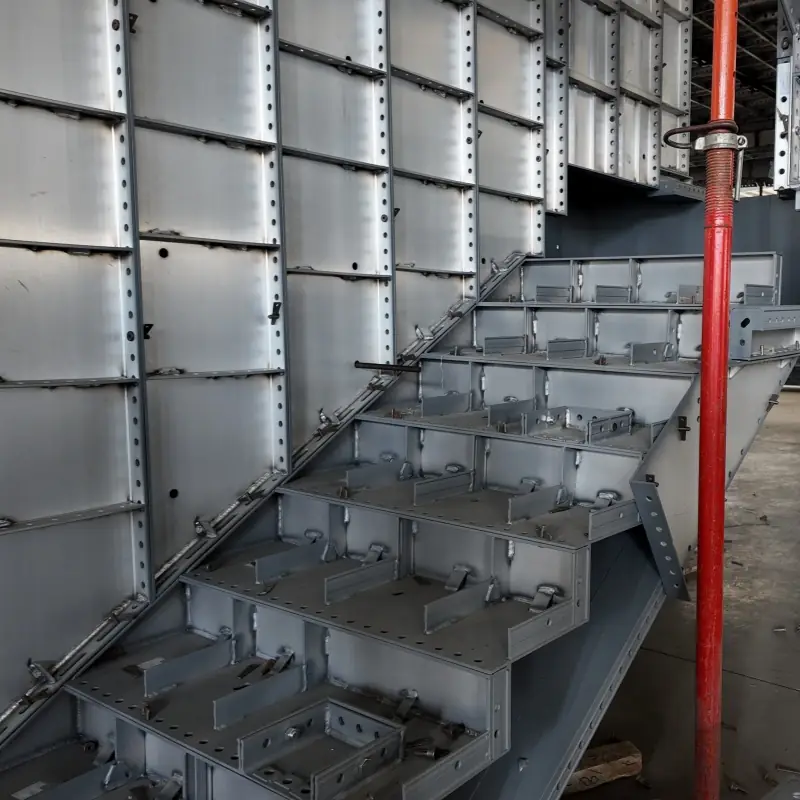
At Rongze, we supply ringlock scaffolding for construction, industrial maintenance, infrastructure, and formwork support applications worldwide. We focus on top-quality material and premium support, helping customers select practical configurations for demanding projects. Our goal is to provide reliable scaffolding and formwork solutions that support safer working environments and more efficient construction operations.