A frame scaffold may look straightforward from the outside, but a complete setup depends on multiple components working together. For contractors, rental companies, and construction-support buyers, understanding each part is important when planning procurement, estimating project requirements, and maintaining safe site operations. A properly configured frame scaffolding system combines structural frames, braces, access equipment, platforms, base supports, and protective components.
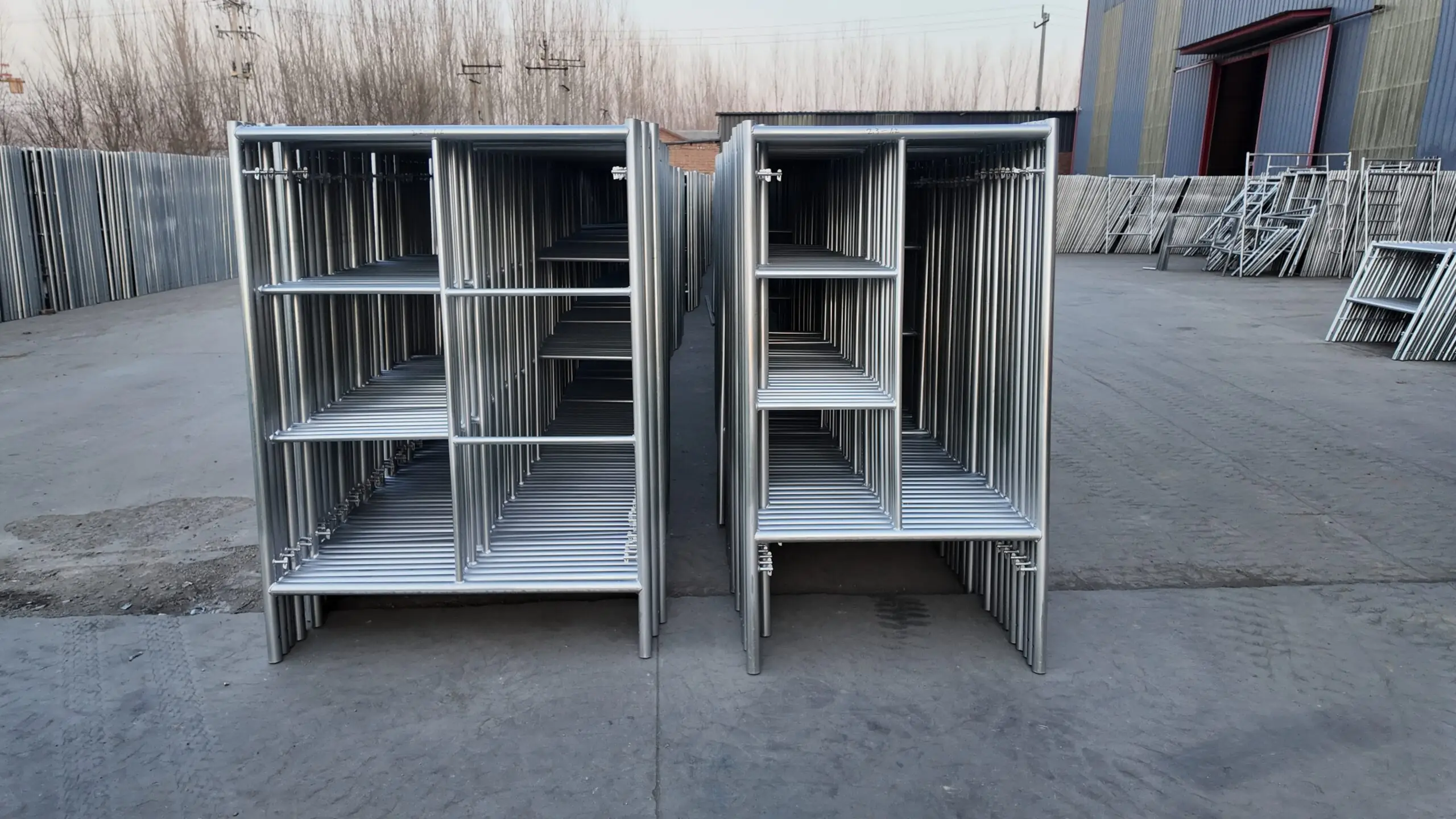
Main Frames Form the Structural Foundation
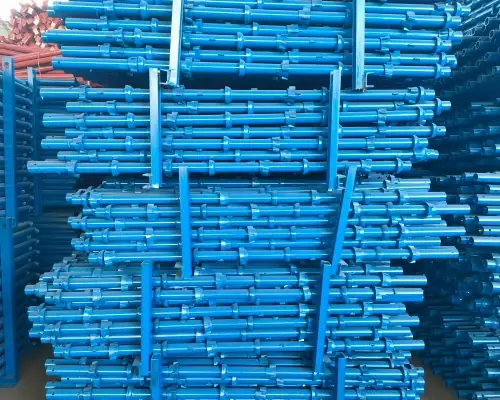
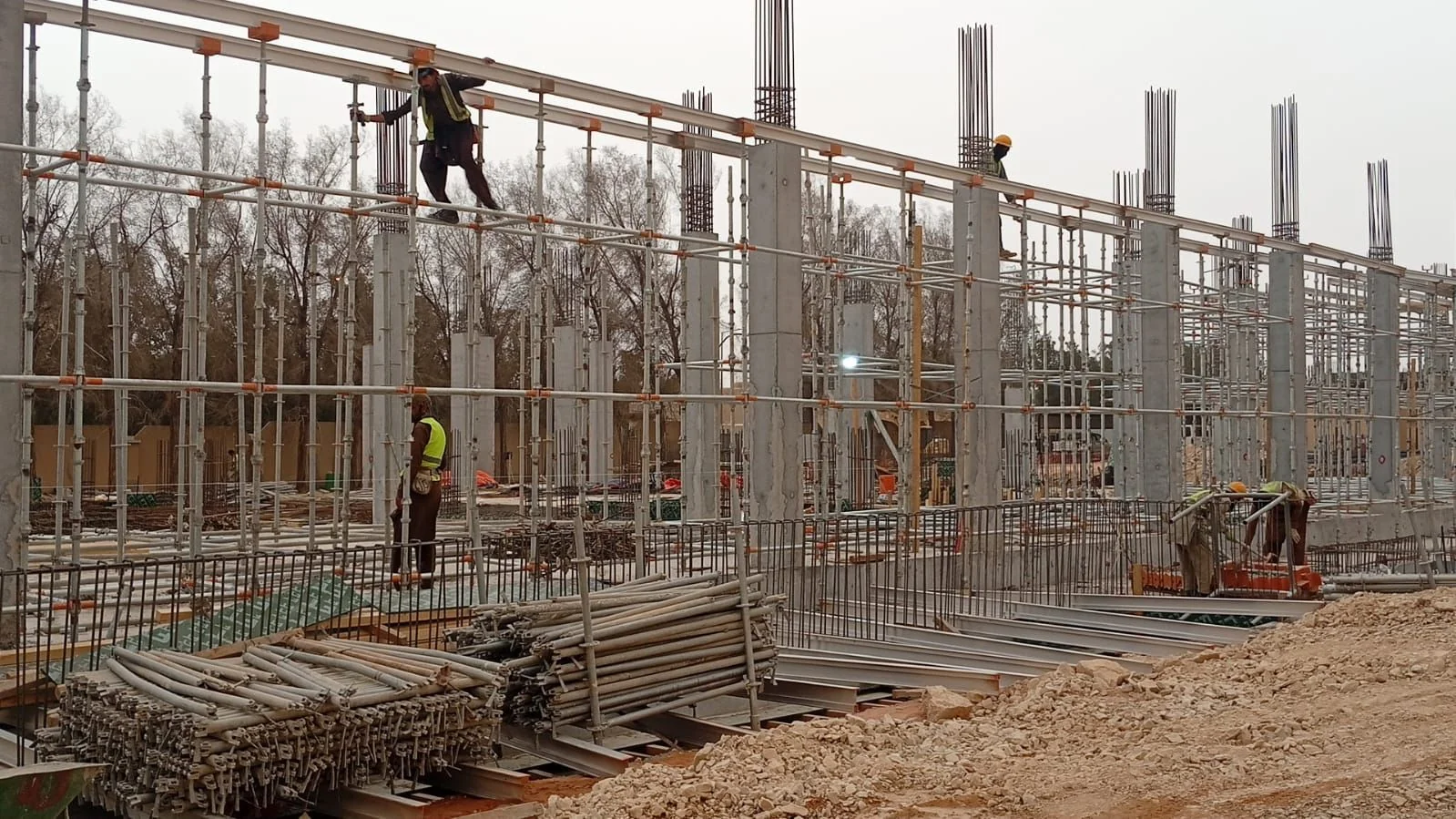
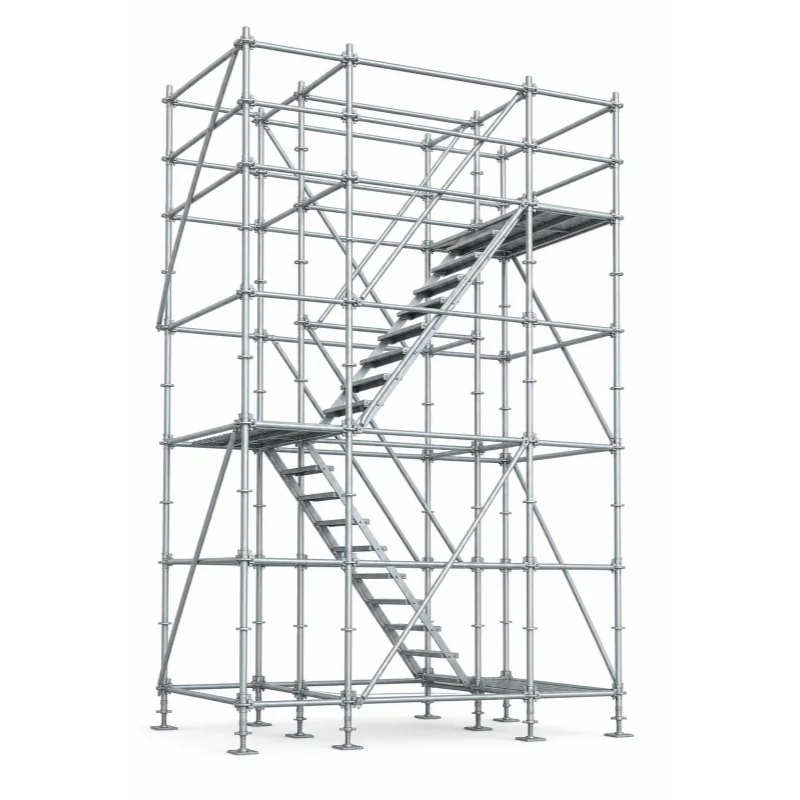
Main frames are the primary vertical components of frame scaffolding. They establish the scaffold’s basic width, height, and working levels while providing the structural points for connecting braces and other accessories. Because frame scaffolds use prefabricated components, contractors can build standardized working platforms efficiently across suitable construction areas.
OSHA specifically identifies fabricated frame scaffolds as tubular welded frame scaffolds. Its requirements state that frames and panels must be connected with cross, horizontal, or diagonal braces that secure the vertical members laterally. Frame connections also need to remain secure during erection and use.
Cross Braces and Joint Pins Keep Frames Aligned
Cross braces connect adjacent frames and provide essential lateral stability. Their dimensions and placement need to correspond with the frame configuration so the assembled scaffold remains plumb, level, and square. OSHA requires brace connections to be secured and specifies that cross braces on fabricated frames should help automatically square and align the vertical members.
Joint pins, also called stacking or coupling pins, connect frames vertically when additional working levels are required. This creates a continuous structure as the scaffold is built upward. Where uplift could displace frames or panels, OSHA requires them to be locked together vertically with pins or equivalent means.
Base Plates and Screw Jacks Support Leveling
A frame scaffold needs a stable foundation before additional components are installed. Base plates distribute the load from the scaffold legs onto the supporting surface, while mud sills or another adequate foundation may also be required depending on site conditions. OSHA requires supported scaffold legs, frames, posts, and uprights to bear on base plates and suitable firm foundations.
Screw jacks provide adjustable support and help compensate for differences in ground elevation. Leveling is particularly relevant when the working surface is not perfectly even. OSHA’s mobile-scaffold requirements specifically recognize screw jacks or equivalent means where leveling is necessary.
Catwalks and Steel Planks Create the Working Platform
Frames and braces establish the structure, but workers still need a suitable platform for access and construction activities. Catwalks and steel planks provide the working surface between frame sections and allow personnel to perform tasks at elevated levels.
Platform selection should account for the intended load, span, dimensions, and compatibility with the frame configuration. OSHA requires scaffold platforms to support their own weight and at least four times the maximum intended load. It also requires platforms to be fully planked or decked as completely as possible within specified limits.
Guard Rails and Toe Boards Improve Edge Protection
A complete frame scaffolding system should also account for protection around exposed platform edges. Guard rails provide a barrier along open sides, while toe boards help reduce the risk of tools, materials, or other objects falling from elevated working areas.
The exact fall-protection configuration depends on applicable regulations, scaffold height, platform arrangement, and project conditions. These components should therefore be treated as part of the system rather than optional additions simply added after erection. Buyers should confirm the required configuration before ordering a complete scaffold package.
Ladder Frames and Casters Expand Access Options
Ladder frames can be incorporated where vertical access between working levels is required. Their inclusion can make a scaffold package more practical for projects where workers need repeated movement between platforms, although access arrangements must be compatible with the applicable site requirements.
Casters are an optional component for mobile frame scaffolding. They allow a suitable scaffold configuration to be moved when the system has been specifically designed for that purpose. OSHA requires mobile scaffolds to be braced against racking or collapse, and casters and wheels must have positive locking mechanisms to prevent movement while the scaffold is being used in a stationary position.
What Should Buyers Check Before Ordering?
A complete procurement list should cover more than the number of main frames. Contractors should determine the required quantities and compatible dimensions of frames, cross braces, joint pins, base plates, screw jacks, platforms, guard rails, toe boards, and access components. If mobility is required, casters and their associated locking and leveling arrangements should also be considered.
Compatibility deserves particular attention when components are sourced separately. OSHA states that components from different manufacturers should not be intermixed unless they fit together without force and the structural integrity of the scaffold is maintained. Components should not be modified simply to make incompatible parts work together.
Building a Complete Solution with Rongze
We at Rongze provide scaffolding and formwork solutions for construction support and concrete formwork applications. Our frame scaffolding system is structured around the core components needed for practical site assembly, including main frames, cross braces, joint pins, base plates, screw jacks, catwalk or steel planks, guard rails, toe boards, and ladder frames. Casters can also be considered where mobile scaffolding is required.
For contractors and distributors, buying a complete system can simplify planning because the structural, access, platform, leveling, and protection components can be considered together. Rather than treating frame scaffolding as a collection of unrelated parts, we recommend evaluating the complete configuration according to the project’s working height, platform requirements, ground conditions, access needs, and applicable safety requirements.
Choosing Components as One Integrated System
A dependable scaffold depends on how its individual components work together. Main frames establish the structure, braces and joint pins maintain alignment, base plates and screw jacks support the foundation, while platforms, access components, and edge protection make the system practical for construction work. We can help buyers evaluate a suitable frame scaffolding configuration for their specific construction-support requirements.