Residential construction projects often involve repeated structural elements, multiple concrete pours, and tight coordination between labor, materials, and schedules. These conditions make reusable formwork particularly attractive to contractors and project buyers. Instead of treating formwork as a one-time temporary expense, reusable systems can be deployed across multiple work cycles, helping projects control material consumption, labor requirements, and procurement costs while maintaining consistent forming results.
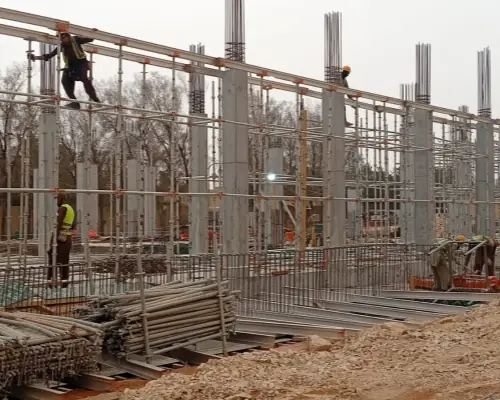
Repetition Makes Reusable Formwork Practical
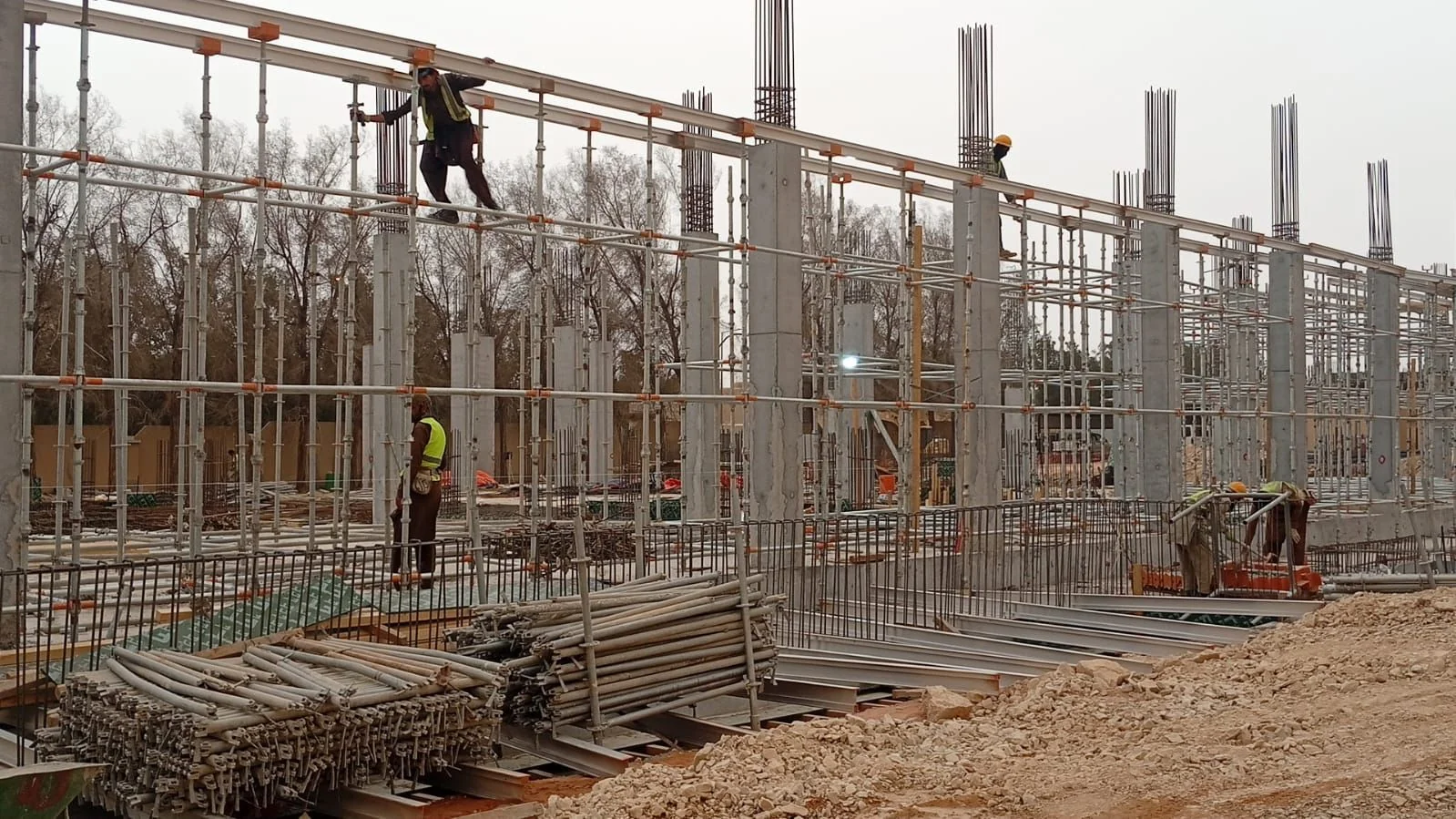
Housing developments frequently contain repeated wall layouts, columns, beams, slabs, or other structural elements. When similar dimensions occur throughout a project, a reusable formwork system can be moved from one pour to another instead of requiring new forming materials for each location.
This is one reason modern formwork systems are widely considered for efficient concrete construction. The Concrete Centre notes that increasing the number of formwork reuses, refurbishing forms through surface treatment, and using appropriate release agents are among the approaches used to support more sustainable formwork practices.
For contractors managing residential construction projects, the benefit is not simply fewer materials. Repeated use also creates a more predictable workflow because crews become familiar with the same panels, connections, and handling procedures.
Consistent Formwork Supports Construction Quality
Residential projects can contain hundreds of similar structural elements, making dimensional consistency especially important. If formwork dimensions vary unnecessarily from one pour to another, workers may need additional adjustment or finishing work before subsequent construction stages can proceed.
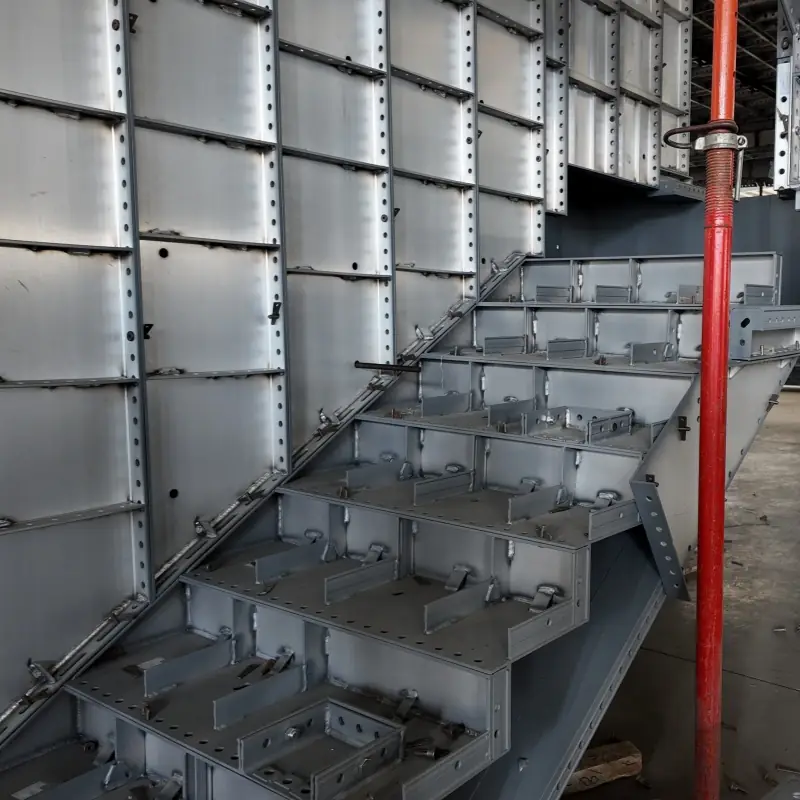
Reusable systems provide a repeatable forming method when panels are properly designed, maintained, and assembled. Steel components can provide a durable structural framework, while coordinated panels and accessories help establish consistent concrete dimensions.
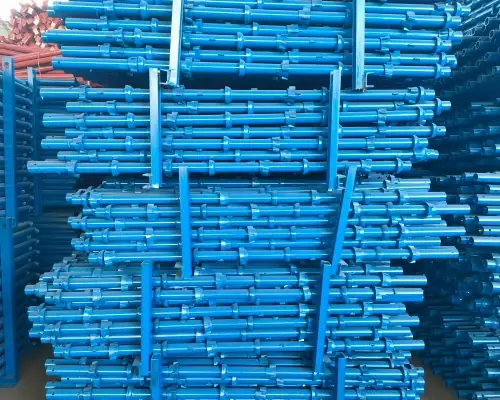
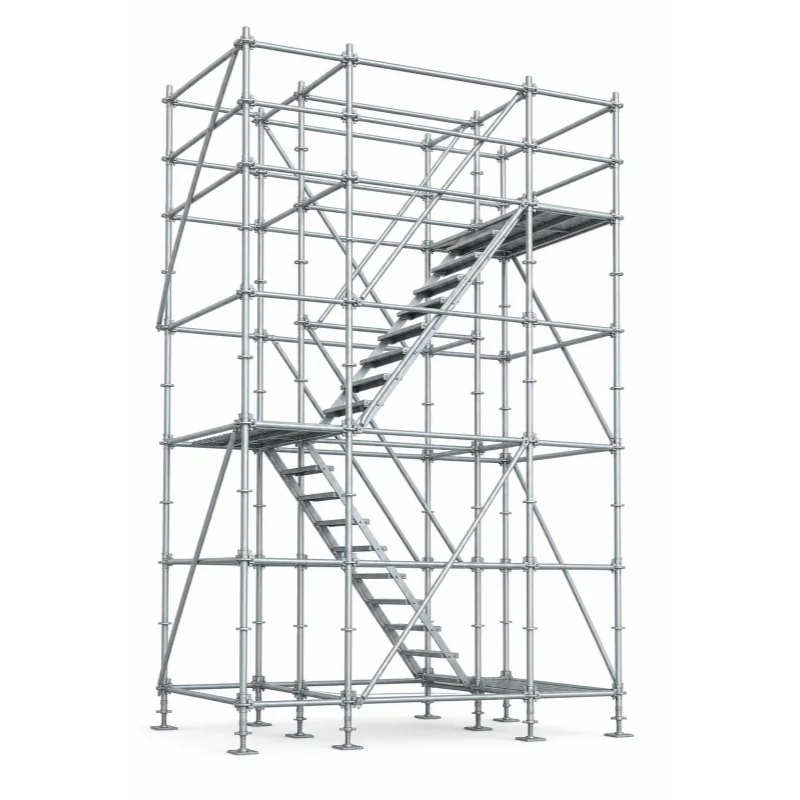
We supply reusable scaffolding and formwork solutions for residential and other construction applications. Our approach emphasizes customized configurations and consistent quality so that contractors can select equipment according to their project requirements rather than relying on temporary, improvised arrangements.
Reusability Can Improve Project Economics
The economic argument for reusable formwork becomes stronger as the number of concrete pours increases. A system that can be used repeatedly spreads its acquisition cost across multiple applications, while durable components can remain part of a contractor’s equipment inventory for future projects.
That calculation should include more than purchase price. Contractors should consider labor for assembly and dismantling, handling requirements, storage, maintenance, transportation, and the expected number of uses. A system that takes longer to reposition or requires frequent repairs may provide less value than its initial quotation suggests.
For global construction projects, these considerations become even more important because procurement, transportation, and replacement logistics can vary significantly between markets.
Modular Equipment Helps Manage Changing Site Conditions
Residential developments are rarely completely uniform. Different building types, floor layouts, elevations, or construction phases can require adjustments to the forming and access arrangement. Modular systems can provide greater flexibility because components can be configured for different applications.
This flexibility does not mean every configuration is automatically suitable. Formwork must be selected and assembled according to the structural design, concrete conditions, equipment limitations, and applicable safety requirements. The Saudi Building Code, for example, includes specific provisions covering residential buildings as well as structural requirements, concrete placement, formwork, and form-ties.
A reusable system therefore works best when modularity is combined with proper project planning and engineering review.
Reusable Systems Can Support More Sustainable Construction
Material efficiency is becoming an increasingly relevant consideration for construction companies. Reusing durable formwork can reduce the frequency with which temporary forming materials need to be purchased and discarded. It can also support more systematic equipment management across several projects.
The Concrete Centre identifies formwork reuse as one practical response to the construction industry’s sustainability agenda. This does not mean reusable equipment eliminates environmental impacts, but repeated deployment can make better use of manufactured components over their service life.
For contractors operating across global construction projects, maintaining reusable equipment can also provide operational advantages by creating a standardized equipment base that can be planned, transported, maintained, and redeployed.
What Contractors Should Evaluate Before Choosing Formwork
Reusable formwork should be evaluated against the actual construction program rather than selected simply because it is reusable. Buyers should consider the repetition of structural elements, panel dimensions, expected number of uses, handling methods, labor availability, storage capacity, transportation, maintenance, and compatibility with the project’s concrete construction process.
Safety and regulatory compliance must remain part of the assessment. Saudi building regulations, for example, establish requirements intended to support the durability and stability of buildings and facilities, alongside provisions for residential construction.
A supplier’s manufacturing capability and ability to customize equipment can also matter when standard configurations do not match a project’s structural layout.
Our Approach to Residential Construction Support
We support global construction projects with scaffolding, formwork, and steel props for residential, high-rise, bridge, rail transit, and infrastructure applications. With 15 years of manufacturing experience, we provide customized solutions, consistent quality, and dependable delivery for contractors and project buyers in different markets.
For residential work, reusable equipment allows project teams to think beyond a single concrete pour. The same formwork or supporting equipment can be integrated into successive construction stages when its configuration, condition, and intended application remain suitable.
Building Reuse into the Construction Strategy
The reason to choose reusable formwork is its ability to combine repeated application with controlled construction processes. Residential developments often provide exactly the repetitive conditions where this approach can create value.
We at Rongze believe contractors should evaluate reusable formwork as part of the wider construction strategy, considering productivity, material efficiency, project repetition, site safety, and long-term equipment value together. For residential construction projects, that broader evaluation can turn formwork from a temporary consumable into a reusable construction asset.