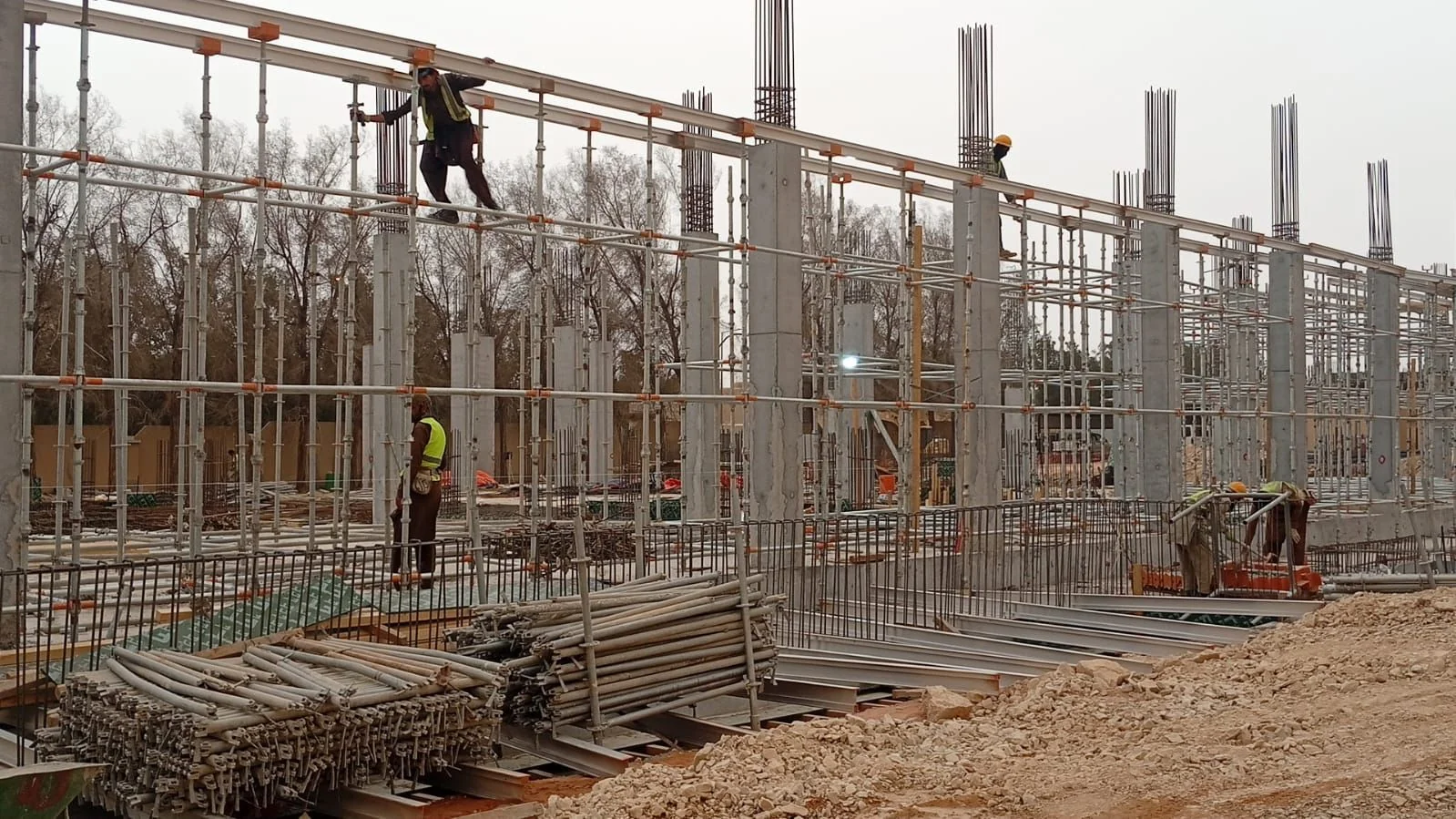
Scaffolding is a temporary structure, but problems with its planning, assembly, or use can have lasting effects on construction schedules, worker safety, and project costs. Contractors managing different building environments need to identify potential issues before they interrupt site operations. From inadequate foundations to poor inspection practices, common problems in scaffolding construction projects often result from treating scaffolding as a simple collection of components rather than a coordinated temporary works system.
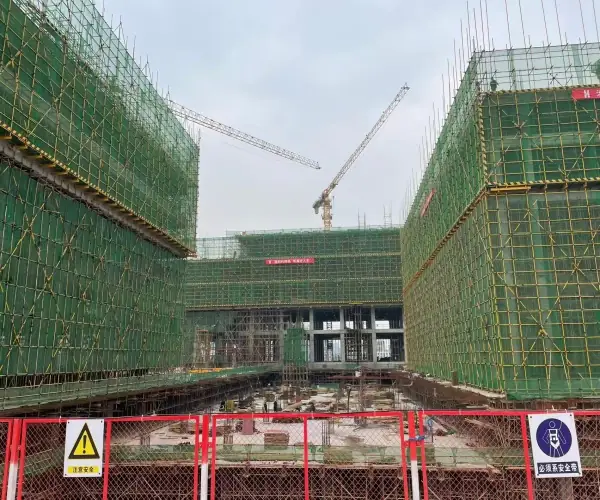
Poor Planning Before Scaffolding Construction Begins
A successful scaffold starts with project planning rather than installation. The required working height, load conditions, access arrangements, building geometry, site restrictions, and expected construction sequence should be considered before equipment reaches the site.
A lack of planning can lead to unsuitable components, inefficient layouts, or repeated modifications. OSHA requires supported scaffolds to be designed by a qualified person and constructed and loaded according to that design.
For contractors working across different global construction projects, planning also needs to account for local regulations, site conditions, and project-specific requirements. A configuration suitable for one application should not automatically be transferred to another without review.
Unstable or Inadequate Foundations
The base of a scaffold supports everything above it, making foundation conditions particularly important. Uneven, weak, or unstable ground can contribute to settlement or movement, potentially affecting the entire structure.
OSHA requires supported scaffolds and their components to be supported by base plates, mud sills, or another adequate firm foundation capable of supporting the loaded scaffold. Unstable objects such as barrels, boxes, loose bricks, or concrete blocks cannot be used as supporting bases.
Site teams should therefore assess the ground before erection and use appropriate supporting arrangements. Ignoring ground conditions can create problems that become more difficult to correct as the scaffold rises.
Incorrect Assembly and Missing Components
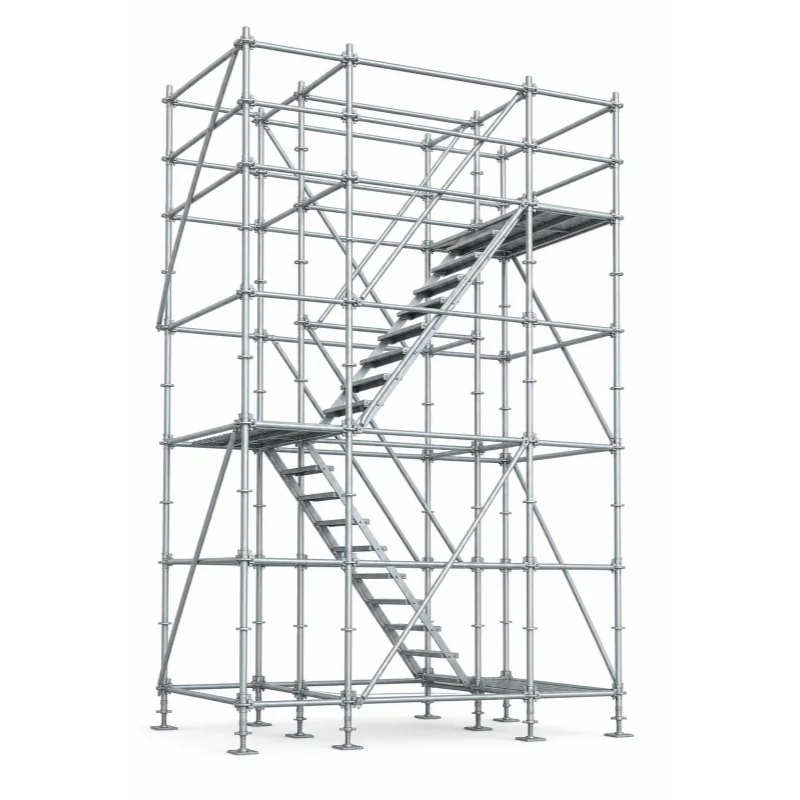
Scaffolding systems depend on components working together. Frames, braces, platforms, connectors, guardrails, and other elements have specific functions, and missing or incorrectly installed components can compromise the intended configuration.
A common project problem is treating assembly as a purely repetitive task. Even familiar scaffold systems may encounter different building elevations, obstacles, access points, or loading conditions. Crews should follow the approved erection procedure and verify critical connections and components as construction progresses.
Proper training also matters. OSHA requires scaffold erection, alteration, or dismantling to be performed under the supervision and direction of a competent person, with such activities carried out by experienced and trained employees.
Overloading the Working Platform
Scaffolds are often used to support workers, tools, materials, and equipment at the same time. Without proper load planning, the combined weight can exceed the intended capacity.
OSHA requires each scaffold and scaffold component to support its own weight and at least four times the maximum intended load. It also prohibits loading beyond the maximum intended load or rated capacity, whichever is less.
Contractors should therefore consider the expected working load before selecting and configuring the system. Materials should not accumulate unnecessarily on platforms simply because space is available. Load management needs to remain part of daily site control.
Insufficient Bracing and Stability Control
As scaffold height increases, stability becomes increasingly important. Insufficient bracing, incorrect ties, or inadequate support can allow unwanted movement and may affect the scaffold’s ability to withstand expected forces.
OSHA requires supported scaffolds with a height-to-base width ratio greater than 4:1 to be restrained from tipping by specified means, such as guying, tying, or bracing.
Project teams should consider the complete stability arrangement rather than viewing braces as optional accessories. The building interface, scaffold height, wind exposure, and configuration can all influence the appropriate approach.
Poor Inspection and Maintenance
A scaffold that was correctly installed can still become unsuitable after exposure to weather, impact, unauthorized modification, or component deterioration. Regular inspection is therefore essential throughout the construction period.
OSHA requires scaffolds and scaffold components to be inspected for visible defects by a competent person before each work shift and after any occurrence that could affect structural integrity.
Damaged components should not simply be returned to service. Establishing procedures for identifying, isolating, repairing, or replacing unsuitable equipment can help prevent small maintenance issues from becoming larger project disruptions.
Choosing Equipment Without Considering the Whole Project
Procurement decisions can also create problems when equipment is selected only according to unit price. Different construction applications may require different scaffold configurations, dimensions, accessories, and support arrangements.
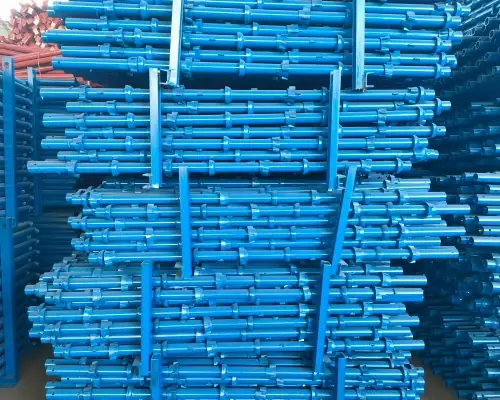
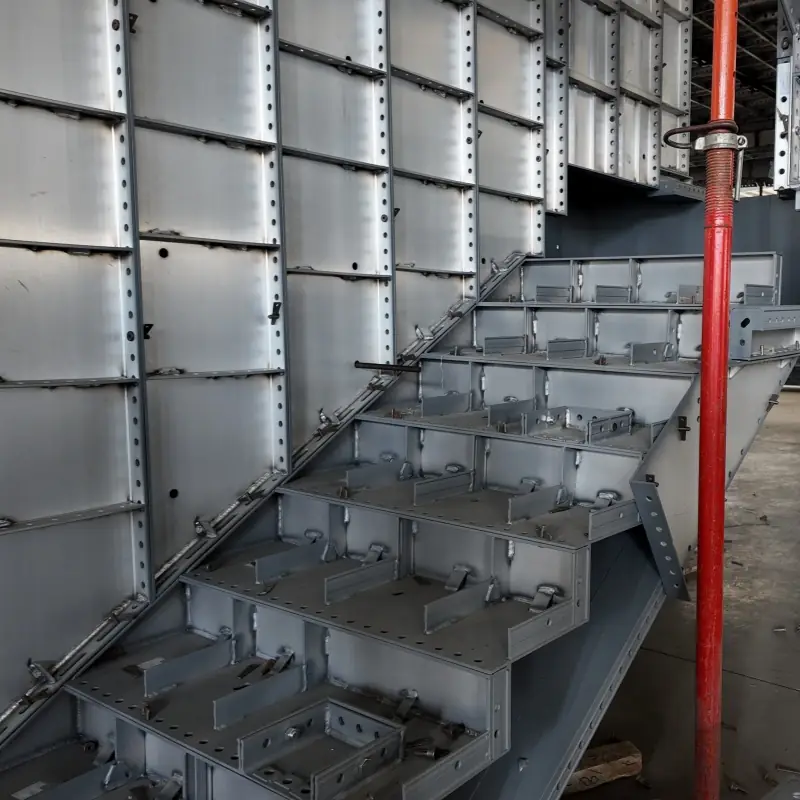
We support global construction projects with scaffolding, formwork, and steel props for residential, high-rise, bridge, rail transit, and infrastructure applications. With 15 years of manufacturing experience, we provide customized solutions and consistent product quality for contractors and project buyers working across different project requirements.
Communication Gaps Can Cause Site Problems
Scaffolding frequently involves several parties, including contractors, engineers, supervisors, equipment suppliers, and workers. If information about loading, modifications, access, or inspection is not communicated clearly, a correctly designed system can be used incorrectly.
This becomes especially relevant on international projects, where documentation, technical expectations, and regulatory requirements may differ. Clear drawings, component information, installation procedures, and responsibilities can help different teams work from the same understanding.
Building More Reliable Scaffolding Projects
Common scaffolding problems rarely come from one isolated issue. Ground conditions, assembly, loading, bracing, inspection, procurement, and communication are interconnected parts of temporary works management. Addressing them systematically can improve both site efficiency and risk control.
At Rongze, we work with contractors and project buyers on global construction projects that require dependable scaffolding and related construction support products. Our 15 years of manufacturing experience enables us to develop customized solutions for different applications, while our focus on consistent quality and dependable delivery helps customers plan their scaffolding construction projects with greater confidence.