Complex construction projects place greater demands on scaffolding than straightforward building work. Multiple elevations, unusual structures, demanding schedules, changing site conditions, and strict safety requirements can make temporary access and support a significant project-management issue. Choosing among scaffolding companies therefore requires more than comparing product prices. Contractors need to evaluate engineering capability, manufacturing quality, customization, project support, and long-term reliability.
Look Beyond the Product Catalog
A capable scaffold building company should offer more than standard components. Complex projects may require different configurations, working platforms, access arrangements, loading requirements, and site-specific adaptations. The supplier should be able to understand these requirements before recommending equipment.
We believe the initial discussion should focus on the project rather than immediately on individual products. Drawings, construction stages, site conditions, expected loads, available space, and erection methods can all influence the appropriate scaffolding solution. This project-oriented approach helps prevent unsuitable equipment from becoming a problem after delivery.
Evaluate Engineering and Technical Capability
Scaffolding is temporary, but its engineering requirements are serious. OSHA states that scaffolds must be designed by a qualified person and constructed and loaded according to that design. Erection, dismantling, movement, or alteration must also be supervised by a competent person qualified for those activities.
For complex projects, contractors should therefore ask how a supplier supports technical planning. Relevant questions include whether the company can provide technical drawings, configuration guidance, load information, and assistance with unusual applications. A supplier’s ability to communicate with the contractor’s engineering and site teams can be as important as the hardware itself.
Check Manufacturing and Quality Control
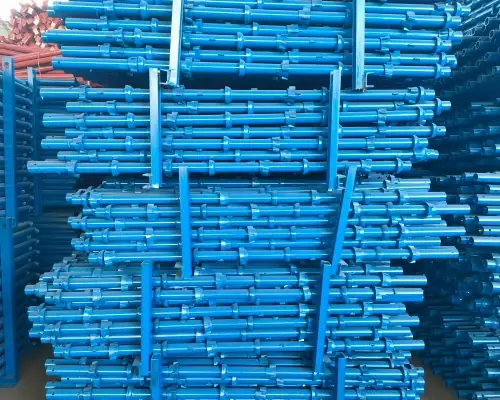
The reliability of a scaffolding system depends heavily on the consistency of its components. Frames, standards, ledgers, braces, connectors, platforms, and other parts must be manufactured to controlled dimensions so that they assemble correctly and perform as intended.
When evaluating scaffold building companies, contractors should examine manufacturing capabilities, inspection procedures, material controls, welding quality, surface treatment, and traceability where applicable. A supplier with direct manufacturing experience can also have greater control over production consistency and customization than a company that simply resells equipment.
Consider the Complete System
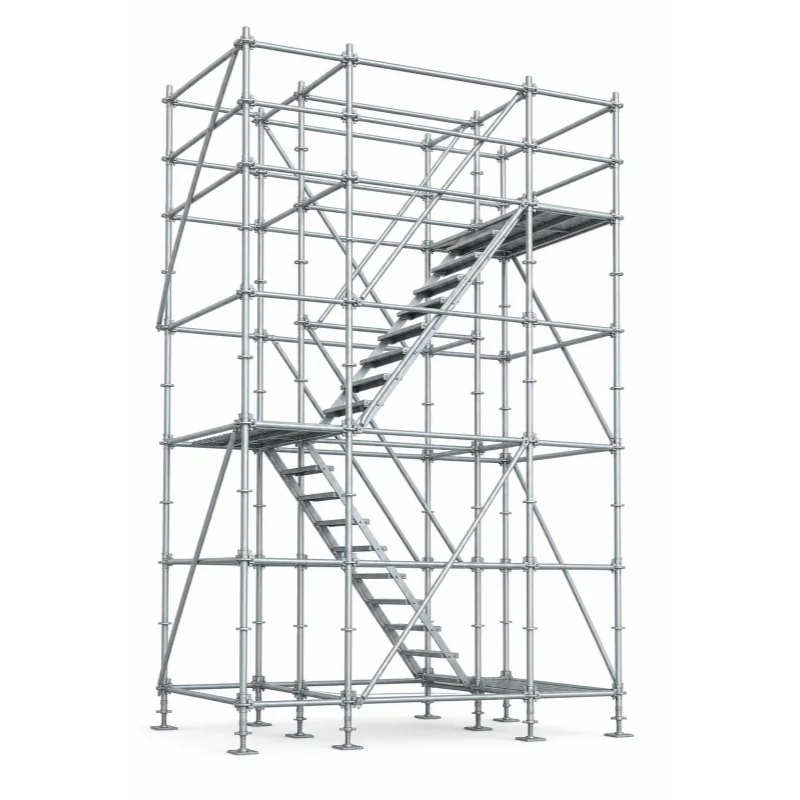
Complex construction rarely depends on one scaffold component. The project may require working platforms, access equipment, guardrails, braces, ties, base components, and other accessories. These elements need to function as a coordinated system.
OSHA requires scaffold components to support their own weight plus at least four times the maximum intended load, while scaffolds must not be loaded beyond their maximum intended load or rated capacity, whichever is less. Supported scaffolds must also be adequately supported and braced to prevent swaying and displacement.
For this reason, contractors should evaluate the complete system rather than selecting individual parts based solely on unit price.
Assess Experience With Complex Applications
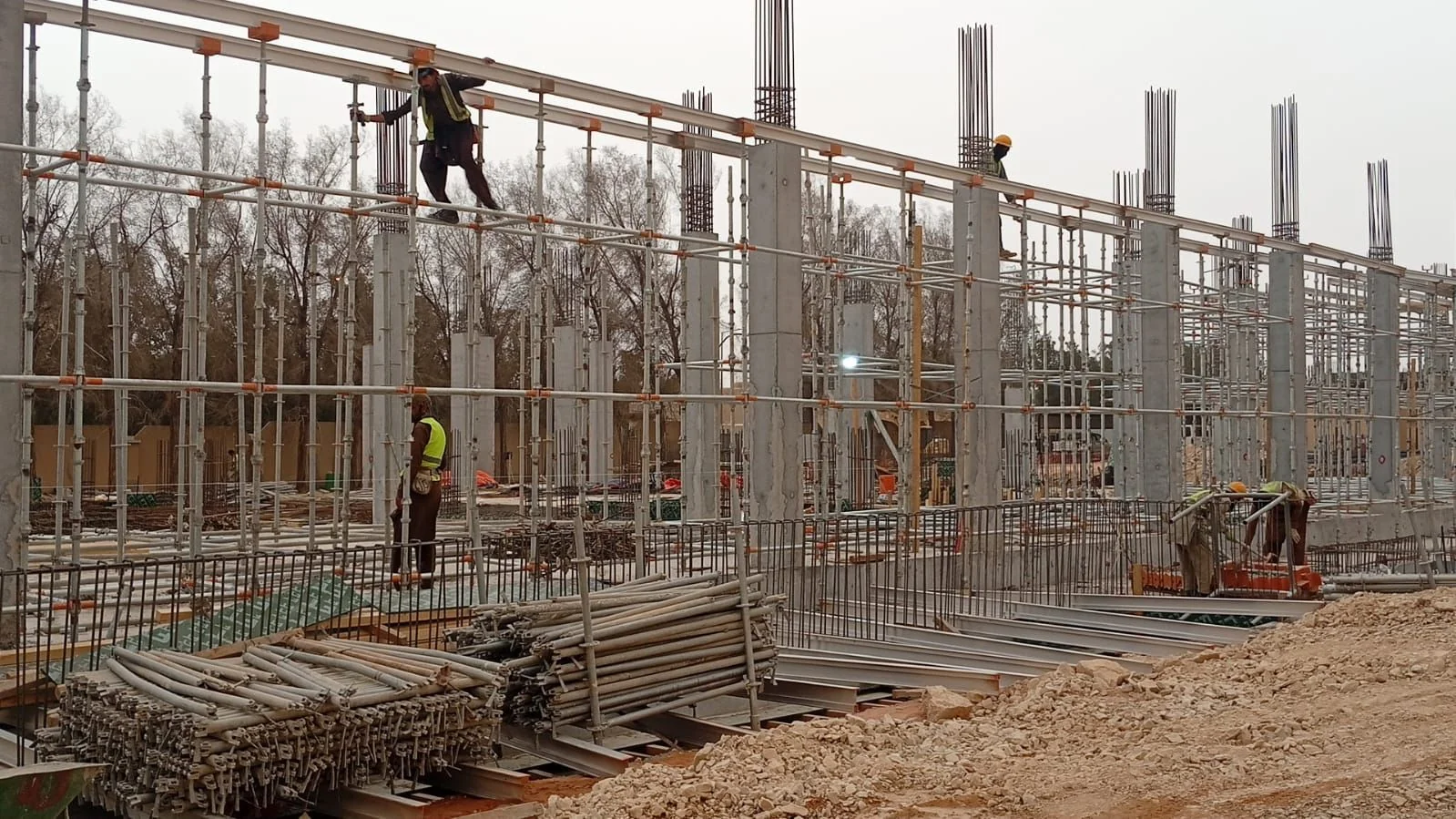
Past project experience can reveal whether a supplier understands the practical challenges of difficult construction environments. Relevant experience may include high-rise buildings, infrastructure, industrial facilities, commercial developments, renovation projects, or structures with complicated geometry.
The goal is not simply to find a company with a long project list. Contractors should look for evidence that the supplier has handled changing site requirements, tight construction schedules, difficult access, and coordination with other trades. Experience becomes particularly valuable when standard configurations need to be adapted without compromising system integrity.
Examine Customization and Flexibility
A complex project rarely follows a completely standard pattern. Different elevations may require different platform widths, access arrangements, or component combinations. Construction sequences can also change as the project progresses.
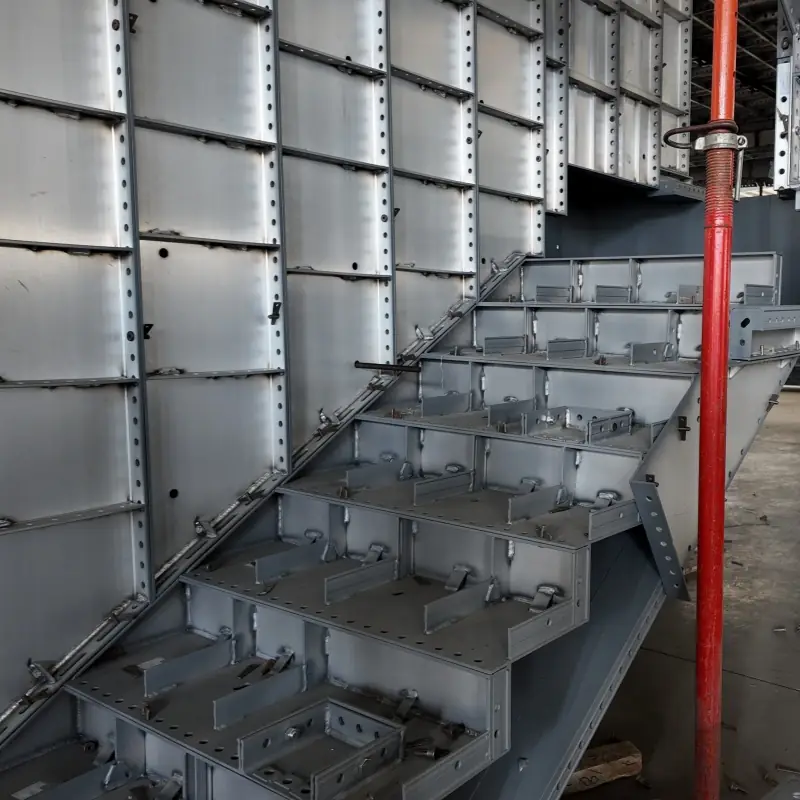
We take a customer-centric approach by listening carefully to project requirements and providing flexible scaffolding and steel support solutions for different markets and applications. Our goal is to adapt equipment and service around the practical needs of each project rather than expect every site to follow the same configuration.
Flexibility should also extend to communication, production planning, packaging, and international delivery when projects involve overseas procurement.
Prioritize Safety and Inspection Support
Safety should be evaluated throughout the project lifecycle, not only when equipment is first delivered. OSHA identifies collapse, instability, falls, falling objects, electrical hazards, and access as significant scaffold-related hazards. It also requires competent-person involvement in important activities such as erection, alteration, and inspection.
A reliable supplier should provide clear assembly information and product guidance that helps the project team use the equipment correctly. Contractors should also establish their own inspection, training, and site-control procedures in accordance with applicable local regulations.
Compare Service, Not Just Purchase Price
The lowest quotation does not necessarily represent the lowest project cost. Delayed deliveries, inconsistent components, missing accessories, poor technical communication, and limited after-sales support can create expenses that are difficult to see in an initial comparison.
We place quality, reliability, and long-term partnership at the center of our approach. Alongside product supply, we focus on responsive communication, flexible solutions, manufacturing improvements, and international trade services. For contractors managing complex projects, dependable coordination can help reduce procurement uncertainty and keep temporary works aligned with the construction schedule.
Consider Innovation and Continuous Improvement
Construction methods and project requirements continue to evolve. A capable scaffold building company should therefore demonstrate an ability to improve products and manufacturing processes rather than rely entirely on established designs.
We continuously work on product improvement, manufacturing optimization, and service development to respond to changing requirements in the global construction industry. This mindset supports our broader objective of building long-term relationships with contractors and project partners.
Choose a Partner for the Whole Project
Selecting among scaffolding companies should ultimately be a risk and performance decision, not simply a purchasing exercise. Contractors should assess technical competence, manufacturing control, system completeness, customization, safety support, project experience, logistics, and after-sales service together.
At Rongze, we approach scaffolding supply as a long-term partnership. By combining quality-focused manufacturing with customer-oriented service and flexible scaffolding and steel support solutions, we aim to support complex construction projects from planning through delivery and continued project execution.