Material selection can shape the cost, speed, quality, and reuse potential of a concrete construction project. Steel, aluminum, and timber each serve different formwork requirements, and the right choice depends on project scale, repetition, structural geometry, labor conditions, and expected service life. For contractors and project managers, comparing these materials helps establish a practical formwork strategy before procurement begins.
What Different Formwork Materials Need to Deliver
Concrete formwork must maintain the required shape and position while fresh concrete is placed and supported. The system also needs adequate strength and stability under construction loads. Beyond structural performance, contractors consider assembly time, stripping, transportation, maintenance, surface finish, and the number of times components can be reused.
ACI guidance identifies safety, quality, and economy as important considerations when selecting and designing formwork. It also highlights the relationship between form-facing materials, construction methods, tolerances, and the finished concrete surface. These factors make material selection a project-level decision rather than simply a choice between three common materials.
Steel Formwork Systems: Built for Repeated Use
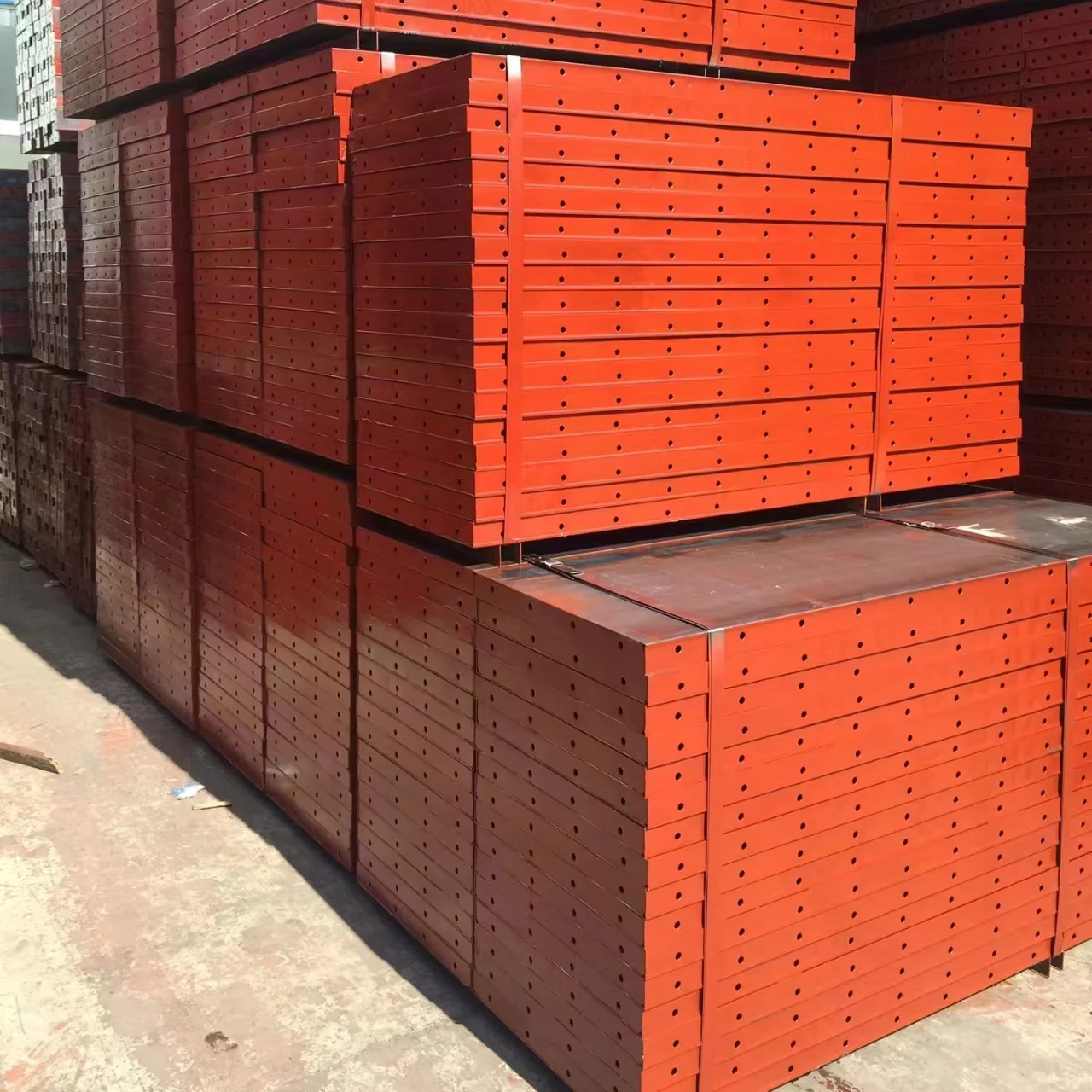
Steel is widely used where contractors need durable, reusable formwork. Steel panels can provide substantial rigidity and dimensional stability, which is valuable when repeated concrete pours require consistent panel geometry.
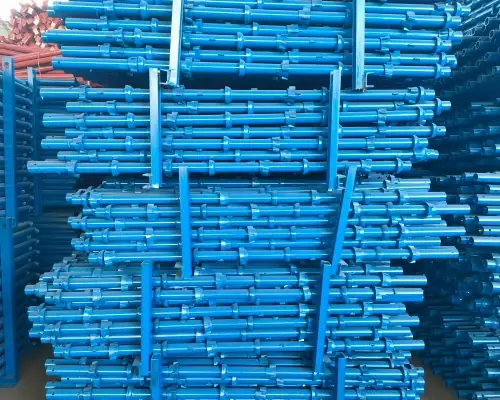
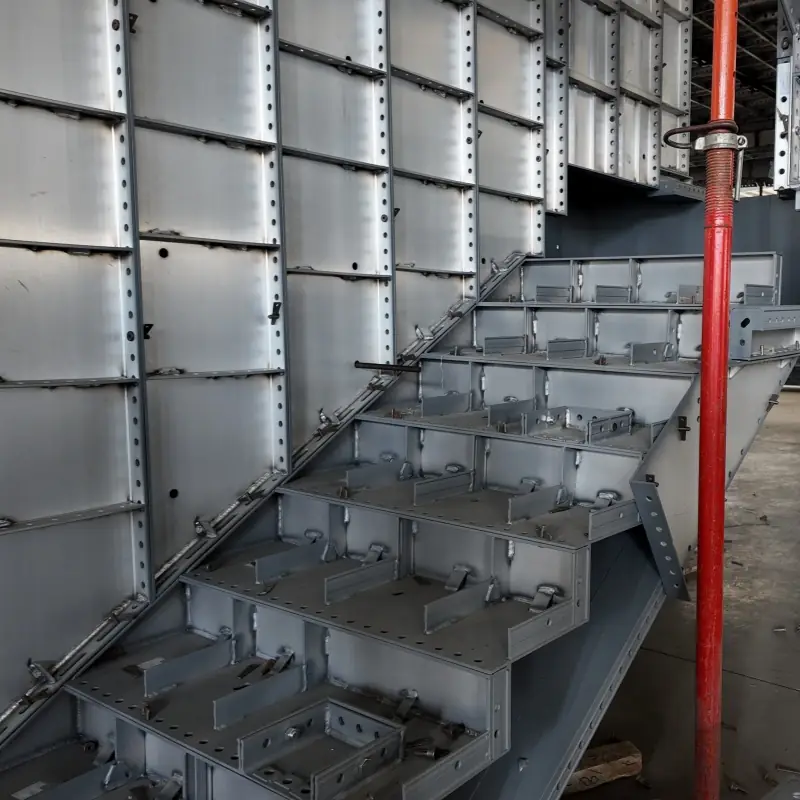
Our steel formwork systems use modular panels and customizable components for concrete walls, columns, beams, and slabs. We focus on creating reusable solutions that support efficient assembly, dimensional accuracy, and dependable performance across residential, commercial, and infrastructure applications.
Steel can also offer a long service life when properly handled and maintained. For projects with many casting cycles, this reusability can make steel particularly attractive because the initial investment can be distributed across repeated applications.
Aluminum Formwork: Lightweight Handling
Aluminum offers a different balance of performance and handling. Its lower weight compared with steel can make manual movement and repositioning easier, which can be useful on projects where cranes or heavy lifting equipment are limited.
Aluminum formwork is commonly associated with repetitive construction, particularly where standardized layouts allow the same panels to be reused across floors. The lighter material can support faster handling, although the overall productivity of an aluminum system still depends on panel design, connections, workforce organization, and project planning.
Contractors should also consider the project’s expected use cycles and the cost of repairing or replacing damaged components. Lightweight does not automatically mean economical for every application; the complete construction process needs to be evaluated.
Timber Formwork: Flexible for Varied Shapes
Timber remains useful because it can be cut, adjusted, and assembled relatively easily on site. This flexibility makes it practical for irregular shapes, one-off structures, alterations, and projects where customized formwork is needed without investing in a standardized panel system.
However, timber generally requires more attention to handling, storage, and condition as the number of reuse cycles increases. Moisture exposure, physical damage, dimensional changes, and repeated stripping can affect its serviceability. For highly repetitive construction, these characteristics may make standardized metal systems more attractive.
Timber can therefore remain a practical choice where flexibility is more important than maximum reuse, while steel and aluminum can become more compelling when repetition and standardized installation dominate the project.
Comparing Durability and Reuse
Durability is one of the clearest differences between the three materials. Steel and aluminum are generally better suited to repeated handling and assembly than ordinary timber, although actual service life depends on design, workmanship, storage, cleaning, and maintenance.
For contractors, the number of anticipated pours matters. A material with a higher initial purchase cost may become economically attractive when it can be reused many times. Conversely, a short project with limited repetition may not justify a highly standardized system.
Our approach is to consider reuse as part of the overall formwork calculation. By using modular steel formwork components, we support contractors looking for a system that can move between repeated casting operations while maintaining consistent geometry.
Comparing Installation and Labor Requirements
Labor productivity can also influence material selection. Timber can require substantial cutting, measuring, and site assembly, particularly when every form is customized. Standardized steel and aluminum panels can reduce some of this work because components are manufactured around predetermined dimensions and connection methods.
Steel formwork can provide a useful balance between durability and standardized installation. At Rongze, our modular panels are intended to support quick assembly and dismantling, helping contractors organize repetitive formwork operations more efficiently.
Aluminum may offer an additional handling advantage because of its lower weight. However, the actual labor requirement depends on the complete system, including connections, lifting arrangements, access, and the experience of the installation team.
Matching Material to the Project
There is no universal winner among steel, aluminum, and timber. Steel can be well suited to projects requiring durability, repeated use, and robust modular panels. Aluminum can be attractive when lightweight handling and repetitive layouts are priorities. Timber can provide flexibility for irregular, customized, or limited-use applications.
Project teams should compare purchase cost alongside labor, transportation, storage, maintenance, expected reuse, construction speed, and required finish quality. Looking only at the price of individual panels can produce a misleading comparison.
Why We Use Steel for Reusable Concrete Formwork
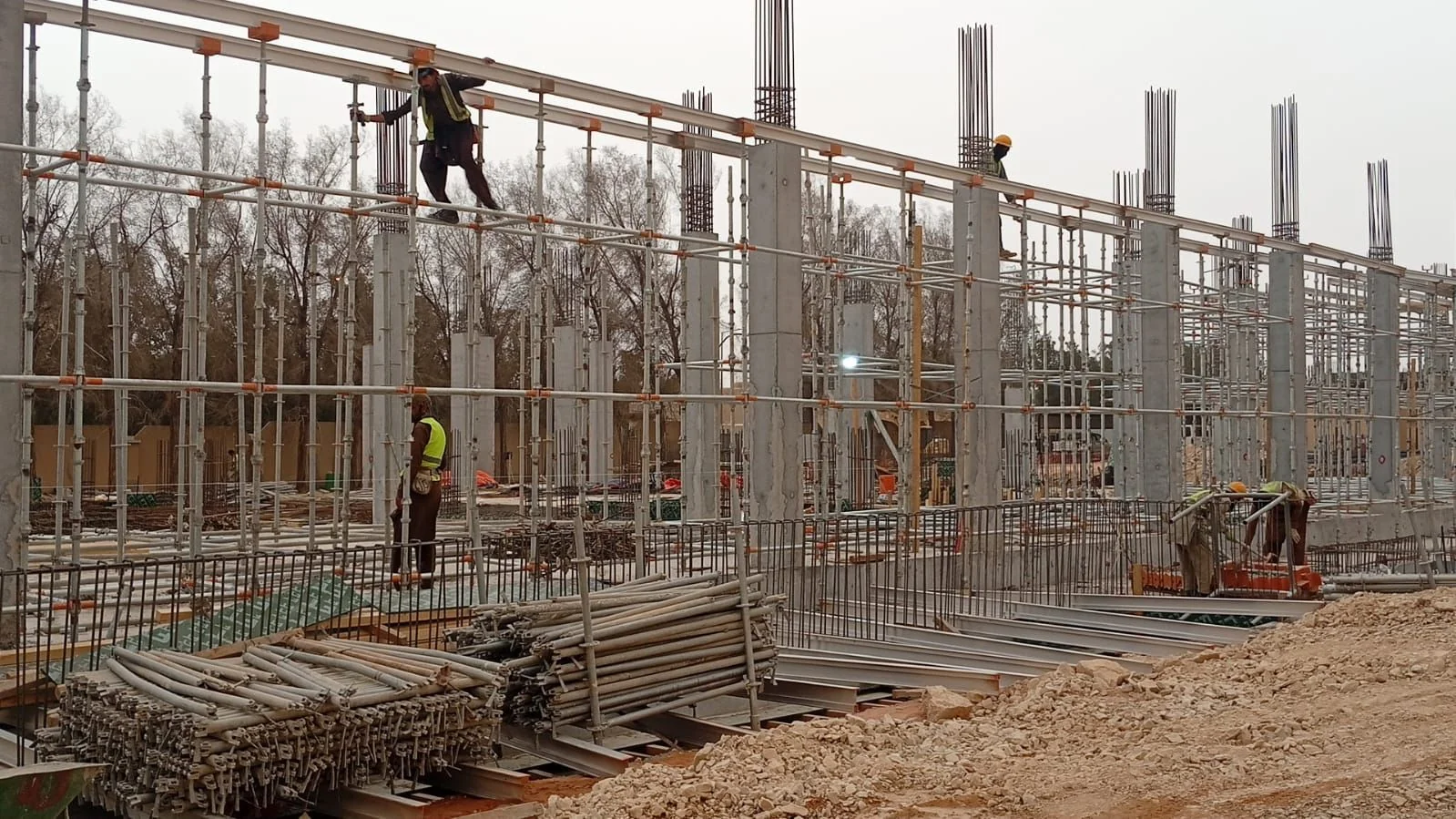
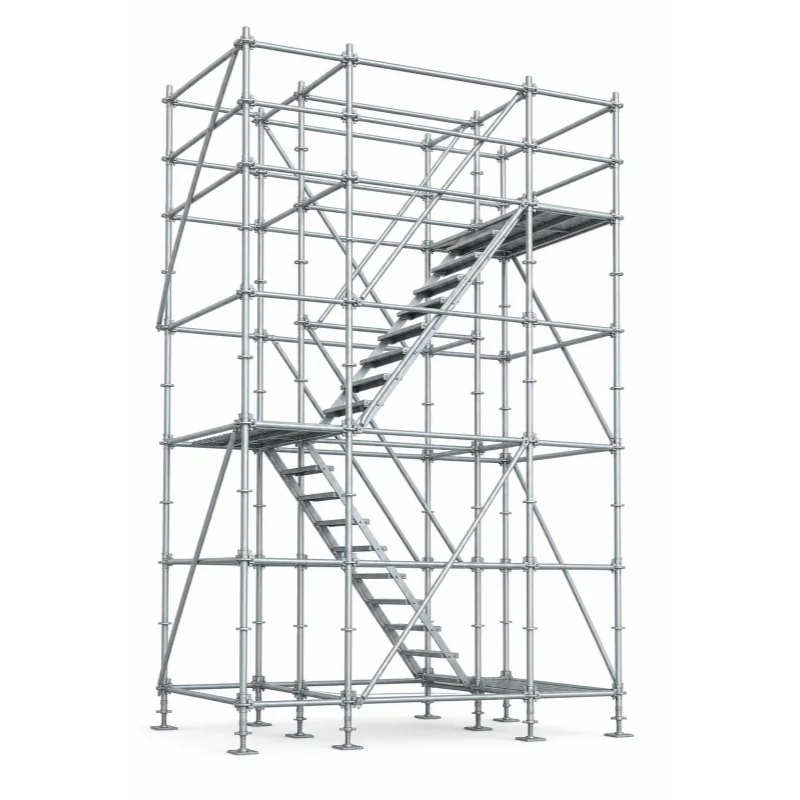
We supply steel formwork systems for walls, columns, beams, and slabs across residential, commercial, and infrastructure projects. Our modular approach combines standardized steel formwork components with customizable options so contractors can adapt the system to different structural requirements.
Compared with traditional timber formwork, our steel solutions are intended to provide longer service life, lower maintenance demands, and efficient repeated use. The modular configuration also supports quicker assembly and dismantling, helping project teams reduce labor requirements while maintaining consistent formwork operations.
Making a Practical Material Decision
Steel, aluminum, and timber each have a legitimate place in concrete construction. The better choice depends on how the formwork will be used, how frequently it will be reused, and what the project demands from installation, durability, accuracy, and cost.
For contractors planning repeated concrete work, we see reusable steel formwork as a practical option when durability and standardized productivity are priorities. Our concrete formwork solutions are developed around these requirements, helping project teams select modular equipment that supports efficient construction from the first pour through subsequent reuse.