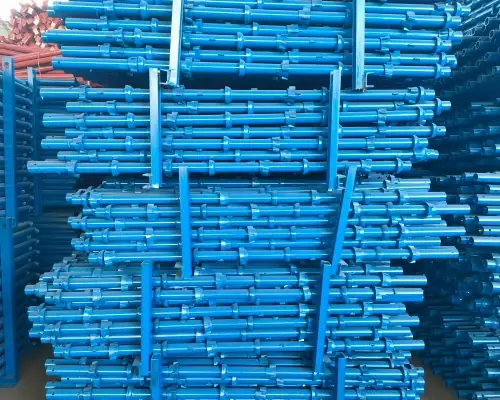
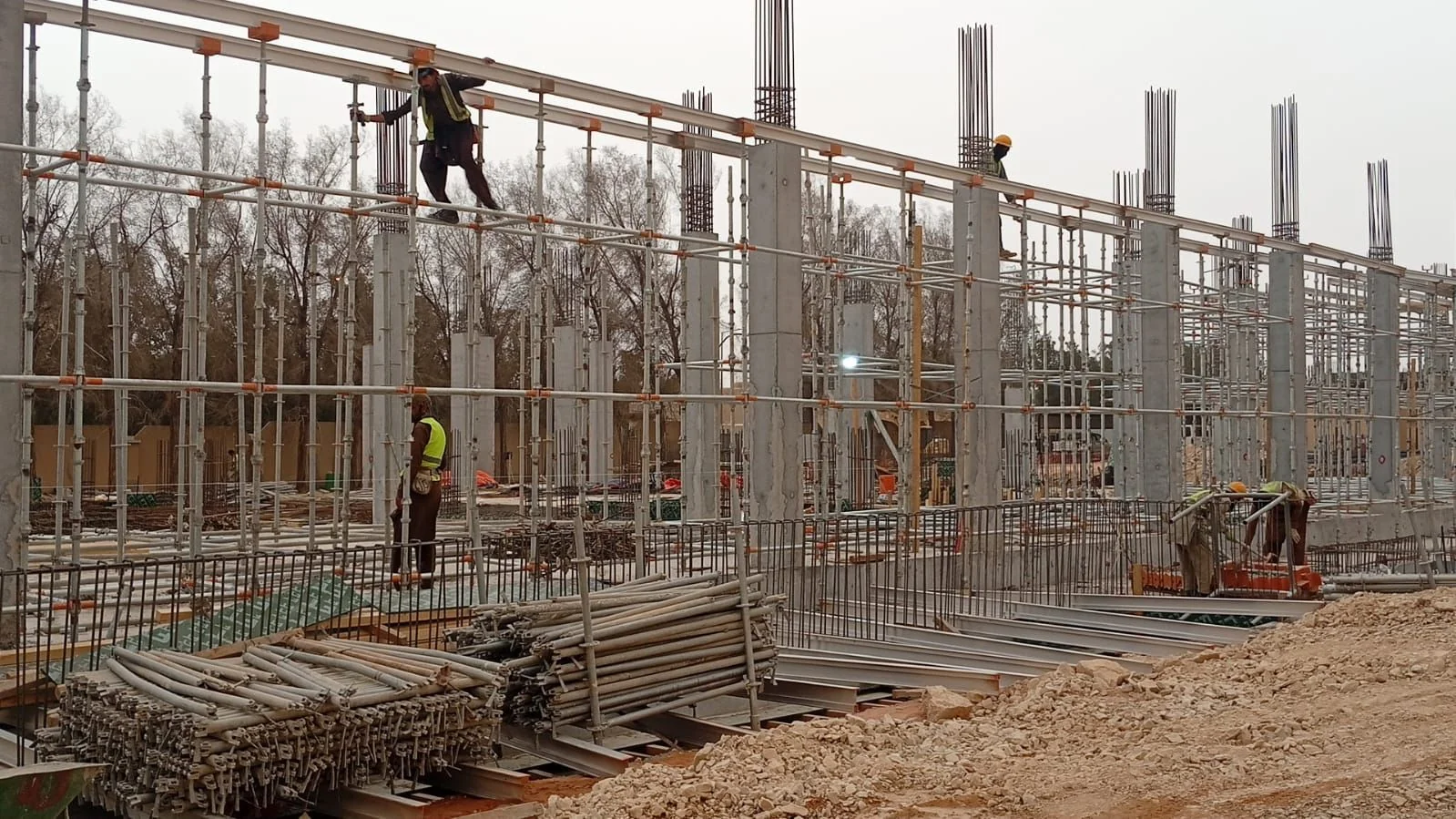
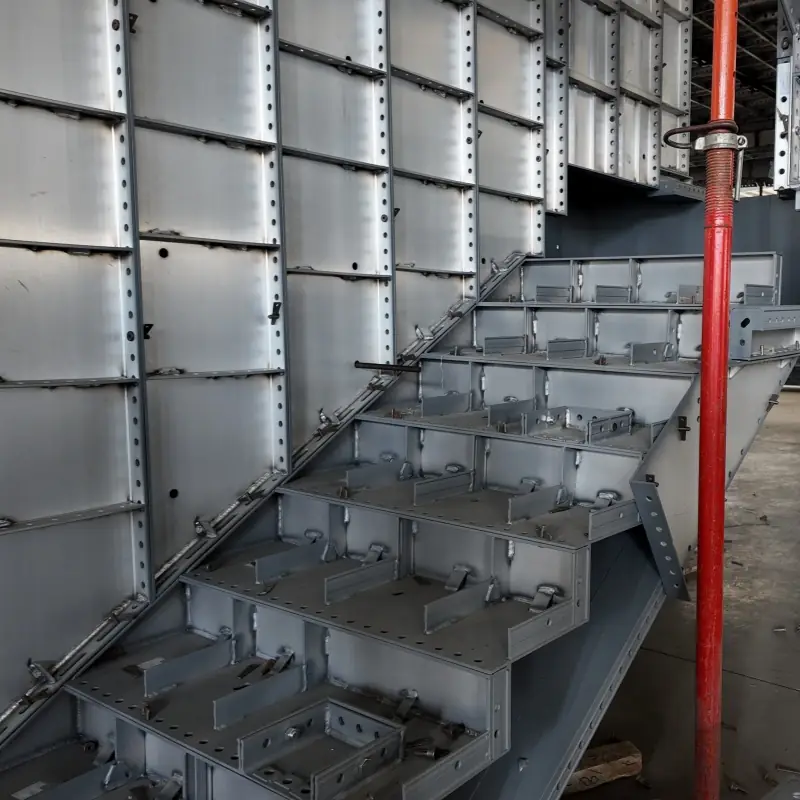
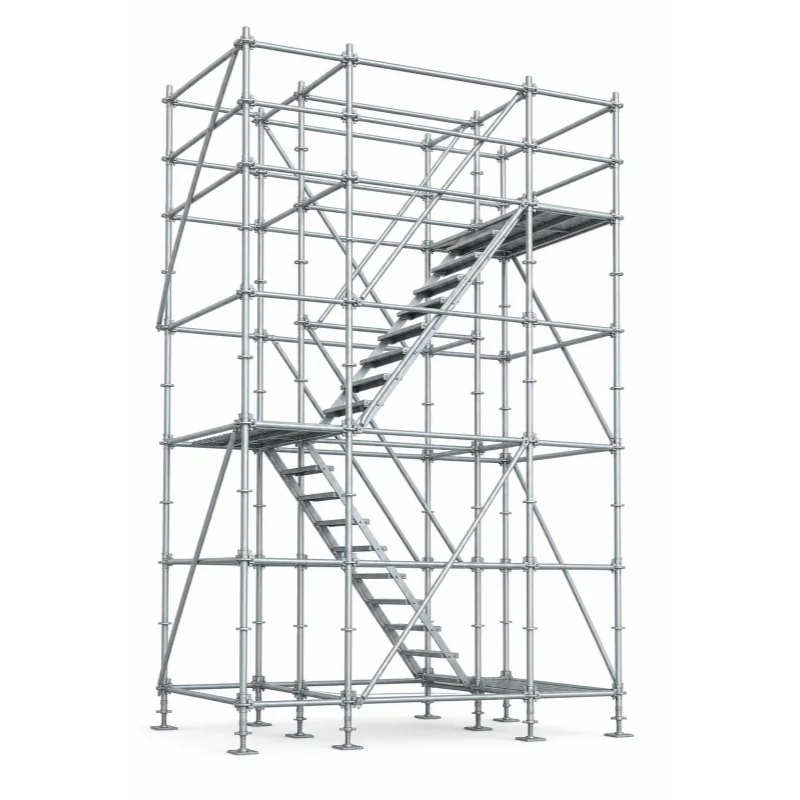
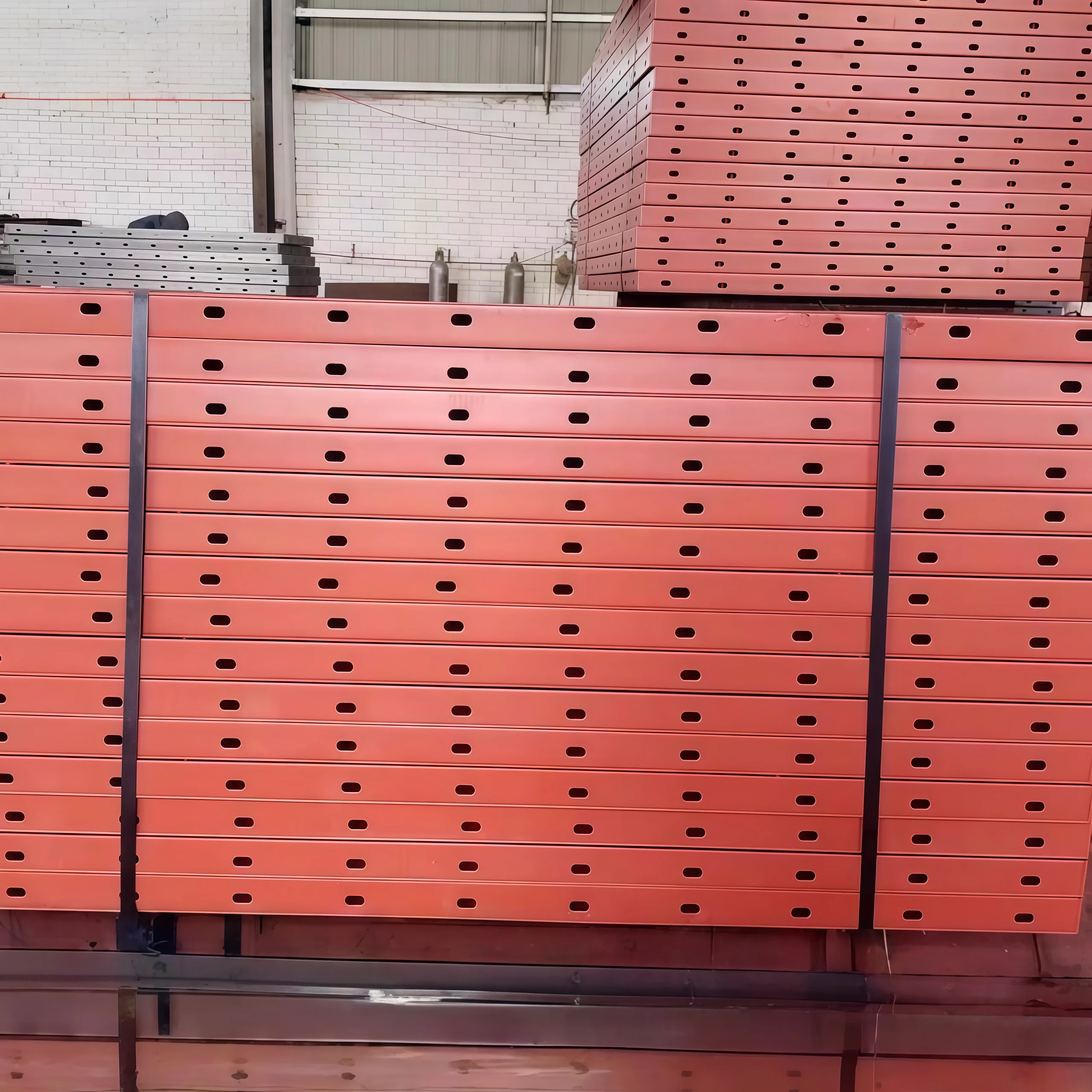
Floor construction schedules often depend on how efficiently contractors can complete one slab level and prepare for the next. Formwork, reinforcement, concrete placement, curing, stripping, and repositioning all influence the duration of each cycle. For this reason, choosing a reusable system is not simply a material decision. It is a productivity decision. We use modular concrete slab steel formwork to help contractors organize repetitive floor work with consistent components and practical handling procedures.
Why Floor Cycles Depend on Formwork Efficiency
A floor cycle involves several connected activities. Once reinforcement and embedded items are ready, formwork must provide the required geometry and support before concrete placement. After the concrete reaches the strength required for the relevant removal operation, forms and supporting equipment can be repositioned for the next work area.
ACI guidance emphasizes that form removal should be based on appropriate concrete strength and project requirements rather than an arbitrary schedule. Its guidance also addresses reshoring and backshoring for multistory construction.
Standardized Components Reduce Preparation Time
Repeated floor layouts create an opportunity to standardize the formwork operation. Instead of fabricating new timber forms for each area, modular panels can be arranged according to established dimensions and reused throughout the project.
Our steel formwork systems use standardized steel formwork components together with modular and customizable elements. This allows contractors to establish repeatable assembly procedures and organize components for subsequent floors. Consistent panel dimensions can also make setting out and material planning more predictable.
Faster Assembly Supports Repetitive Work
A reusable formwork system can influence productivity before concrete is even placed. When components are designed to work together, crews can follow a familiar sequence for positioning, connecting, checking, and preparing the forms.
The Concrete Centre notes that modular panel systems can reduce assembly time and labor requirements compared with traditional formwork methods, while also providing opportunities for reuse. We apply the same practical principle to floor construction: repeatable components can reduce unnecessary fabrication and make the preparation stage easier to organize.
Dimensional Accuracy Helps Keep the Cycle Moving
Floor formwork needs to establish the intended slab geometry and maintain its position during concrete placement. Problems with alignment, dimensions, or stability can lead to adjustments before pouring or corrective work afterward, both of which can affect the schedule.
We therefore emphasize dimensional accuracy when supplying our steel formwork. Stable modular panels help contractors establish consistent formwork arrangements across repeated floor areas. However, accurate components still need proper installation, alignment, support, and inspection. Formwork performance depends on the complete system and construction process rather than the panels alone.
Reuse Makes Each Subsequent Cycle More Efficient
The value of reusable formwork becomes more apparent as the number of floor cycles increases. A system that can be cleaned, maintained, repositioned, and reused reduces the need to repeatedly purchase or fabricate replacement forms.
Our steel formwork systems are designed for repeated concrete construction across residential, commercial, and infrastructure projects. Compared with traditional timber formwork, our reusable approach can offer longer service life and lower maintenance requirements. The economic benefit becomes particularly relevant when similar slab configurations are repeated across multiple levels or project areas.
Stripping Time Still Depends on Concrete Strength
Steel formwork can make physical stripping and repositioning more efficient, but it cannot eliminate the need to wait for appropriate concrete conditions. Removing slab formwork or supporting components too early can create structural and serviceability problems.
ACI specifically identifies in-place concrete strength as a consideration for formwork removal. Its recent guidance on concrete slabs discusses the possibility of accelerating construction schedules through concrete mixtures that achieve required compressive strength sooner. ACI also notes that field-cured specimens or other appropriate procedures can be used when estimated in-place strength is needed for formwork removal decisions.
Plan Repositioning Before the Next Pour
Efficient floor cycles require more than quick stripping. Once forms are removed, crews need a clear plan for cleaning, inspection, storage, and movement to the next location. Poorly organized components can create delays even when the formwork itself is designed for rapid assembly.
We recommend establishing a consistent handling sequence for each cycle. Panels and supporting components should be identified, checked for damage, cleaned as required, and positioned according to the next floor’s layout. This turns formwork reuse into a planned production process rather than an improvised site activity.
Choose a System for the Whole Construction Process
The most useful comparison is not simply between steel and timber. Contractors should evaluate how each system influences the entire construction process, from faster assembly and more accurate alignment on site to smoother concrete placement, easier stripping after curing, reduced maintenance requirements, and more efficient transport, storage, and reuse. A well-designed formwork system can help minimize labor input, improve construction consistency, and reduce long-term project costs.
Our concrete slab steel formwork is part of a broader range of reusable formwork solutions for walls, columns, beams, and slabs. Modular panels and customizable components allow the system to be adapted to different concrete formwork applications. This flexibility can help contractors maintain a consistent approach when project requirements change between structural elements.
Turning Formwork Reuse into Faster Floor Cycles
Faster floor construction comes from coordinating several activities rather than relying on one product feature. Standardized components reduce preparation, modular assembly supports repeatable installation, durable steel improves reuse potential, and appropriate planning makes repositioning more efficient. Concrete strength requirements still determine when forms and supports can safely be removed.
At Rongze, we supply steel formwork systems designed to support efficient concrete construction across residential, commercial, and infrastructure projects. Our reusable modular panels and customizable components provide reliable performance, dimensional accuracy, and practical assembly. By combining durable formwork with consistent project planning, we help contractors pursue faster floor cycles while maintaining reliable construction quality.