Concrete construction depends on more than the concrete mix itself. The formwork must create the required shape, withstand construction loads, and support an efficient cycle of assembly, pouring, stripping, and reuse. For contractors and project buyers working across different markets, choosing suitable steel ply concrete forms can also simplify procurement and improve consistency. This makes the capabilities of steel ply formwork manufacturers an important consideration when planning construction supply.
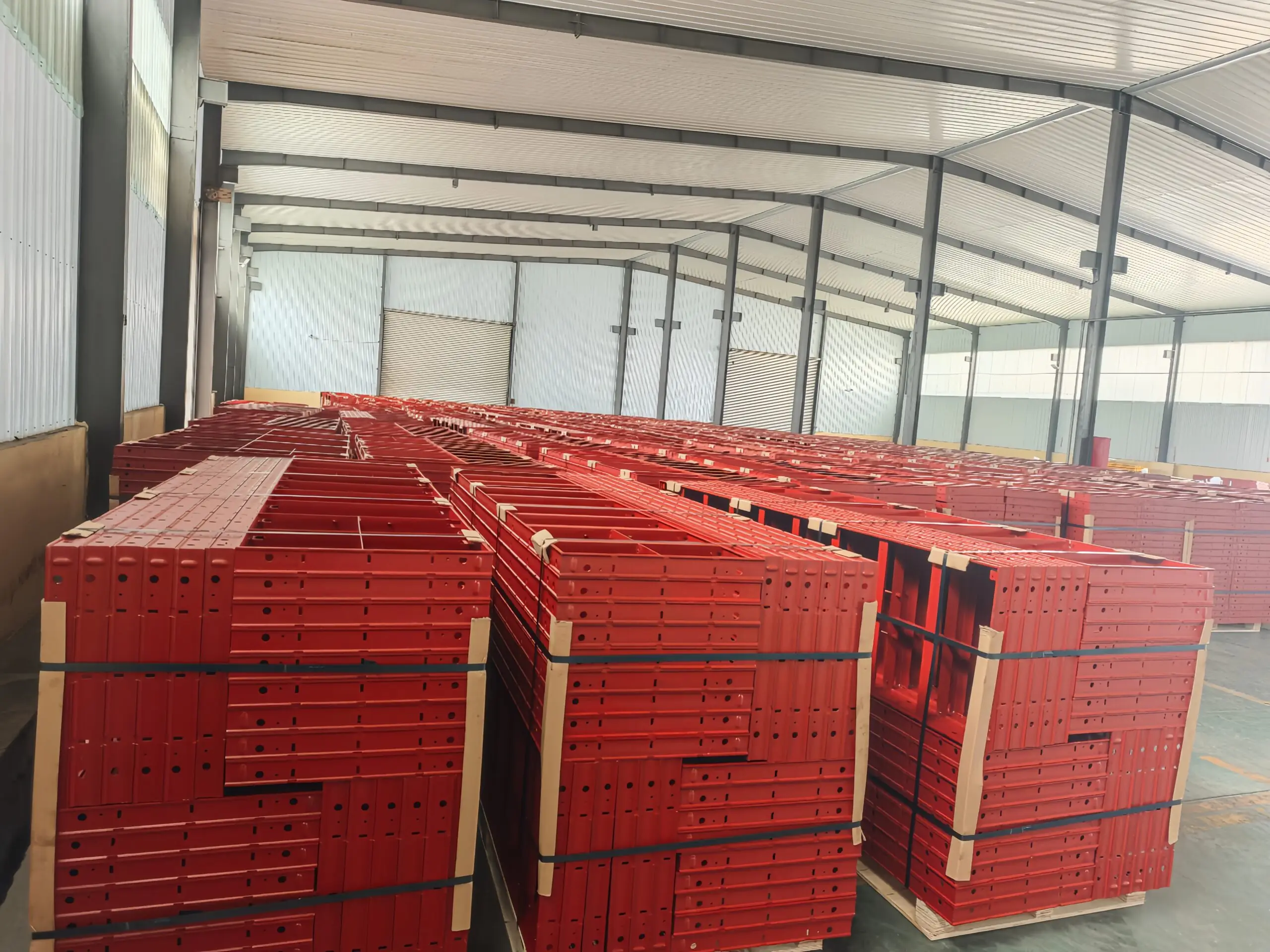
Understanding Steel Ply Concrete Forms
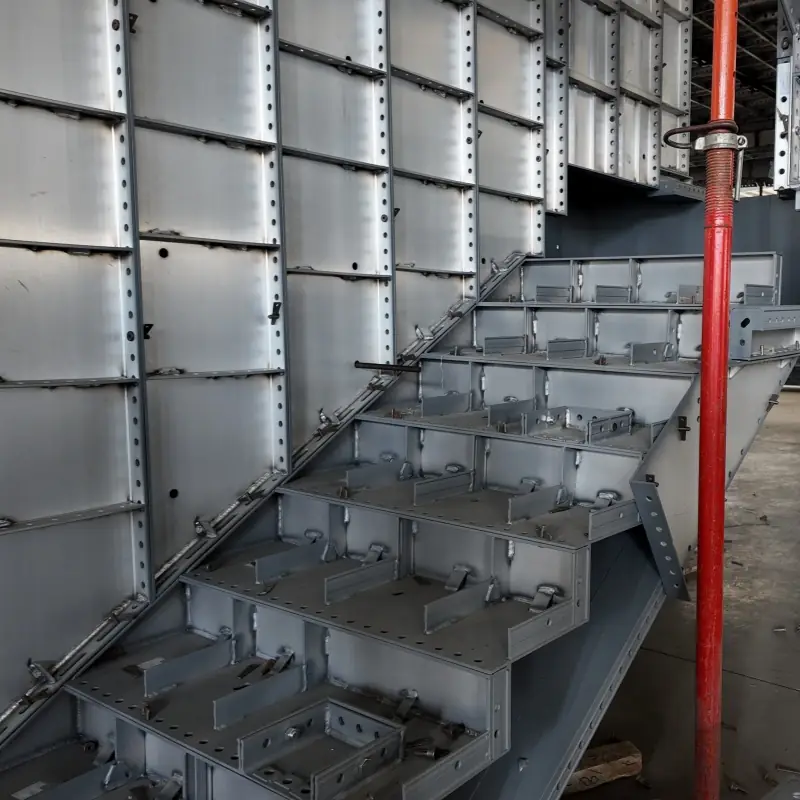
Steel ply formwork combines a rigid steel frame with a plywood facing panel. The steel provides structural support around the panel, while the plywood creates the surface that contacts freshly placed concrete. This combination is designed as a reusable forming solution rather than a one-time timber arrangement.
The system can be used for walls, columns, slabs, and beams, depending on the panel configuration and project design. Its modular construction also allows contractors to organize panels around repeated concrete elements, which can be valuable on commercial and infrastructure projects with recurring dimensions.
Formwork is part of a larger support system. OSHA defines it as including the mold or sheeting in contact with concrete together with supporting members such as shores, reshores, hardware, and braces.
Why Steel Frames Matter in Reusable Formwork
The steel frame is central to the durability of steel ply systems. A rigid frame helps maintain the panel’s overall geometry during handling, assembly, concrete placement, and stripping. It also provides a practical structure for connecting and repositioning panels during successive pours.
Reusability can create another commercial advantage. When the same panels can be used through multiple concrete cycles, contractors can spread the initial investment across more applications. However, actual service life depends on handling, storage, cleaning, maintenance, concrete pressure, and the manufacturer’s design.
This is why procurement teams should assess more than the face material. They should review frame construction, panel dimensions, connection arrangements, surface treatment, and available replacement components before selecting a supplier.
Formwork Design Must Follow Project Loads
A reusable system still needs project-specific engineering. Fresh concrete creates vertical and lateral loads on formwork, while workers, equipment, braces, shores, and other construction activities can introduce additional forces.
OSHA requires formwork to be designed, fabricated, erected, supported, braced, and maintained so it can support the vertical and lateral loads reasonably anticipated during construction. It also requires formwork plans and revisions to be available at the jobsite.
For this reason, buyers should not select steel ply concrete forms solely by panel price. Panel dimensions, concrete placement conditions, support arrangements, and the intended application all need to be considered together. A suitable system should fit the engineering requirements rather than forcing the project to adapt around an unsuitable product.
What Global Buyers Should Evaluate
International procurement adds another layer to formwork selection. Contractors, distributors, and project buyers may need different panel dimensions, surface treatments, packaging arrangements, documentation, and connection details depending on the market and project.
Customization can therefore be useful when standard panels do not match a project’s requirements. However, customization should remain technically controlled. Changes to dimensions, connection positions, frame construction, or facing materials can affect how panels perform and how they integrate with the rest of the formwork system.
Buyers should also evaluate quality-control procedures before placing larger orders. Consistent welding, dimensional accuracy, panel flatness, surface condition, and protective treatment can influence both installation and repeated use.
How Manufacturers Support Construction Supply
A capable manufacturer does more than produce individual panels. The supplier needs to coordinate materials, production, quality inspection, customization, packaging, and shipment so that the delivered formwork corresponds with the project’s procurement plan.
For overseas projects, this supply capability becomes particularly important. Construction schedules may leave little room for replacing incorrectly manufactured or incompatible components after shipment. Clear specifications and communication before production can reduce these risks.
The supplier’s ability to provide OEM services can also help distributors and contractors develop products suited to their own markets. Rather than treating every project as a standard order, manufacturers can work around agreed panel sizes, finishes, and other project requirements.
Our Approach to Steel Ply Formwork Supply
We manufacture steel plywood formwork by combining rigid steel frames with high-quality plywood panels to create a stable and reusable concrete forming system. The steel frame provides structural strength and helps the panels maintain their shape under concrete pressure, while the plywood surface supports smooth concrete finishes and efficient demolding. Designed for walls, columns, slabs, and beams, our formwork system helps contractors achieve consistent dimensions, reduce adjustment work during construction, and improve efficiency across repeated concrete pouring operations.
As one of the steel ply formwork manufacturers serving international construction markets, we provide customized panel sizes, surface treatment options, and OEM steel ply formwork services. This gives contractors, distributors, and project buyers more flexibility when standard configurations do not fully match their requirements.
We also focus on quality control and factory-based production to support consistent supply. Our formwork products are supplied to customers across Southeast Asia, the Middle East, Africa, Europe, and South America, where project requirements and procurement conditions can vary considerably.
Building a More Reliable Global Supply Strategy
Selecting formwork should connect engineering requirements with procurement, logistics, and expected reuse. A technically suitable panel still needs dependable manufacturing, accurate specifications, appropriate surface treatment, and consistent delivery to become a practical construction solution.
We at Rongze provide steel plywood formwork with customization and OEM options for different project requirements. For contractors and distributors comparing steel ply formwork manufacturers, evaluating the complete supply capability—not simply the initial panel price—can help create a more reliable formwork strategy from factory production through repeated use on the jobsite.