Construction contractors often choose frame scaffolding for its straightforward modular structure and fast assembly. However, efficient installation depends on more than having the right number of frames. Braces, platforms, pins, guardrails, and other accessories must work together as a complete system. Checking compatibility before erection can help project teams avoid fitting problems, unnecessary modifications, delays, and potential stability concerns.
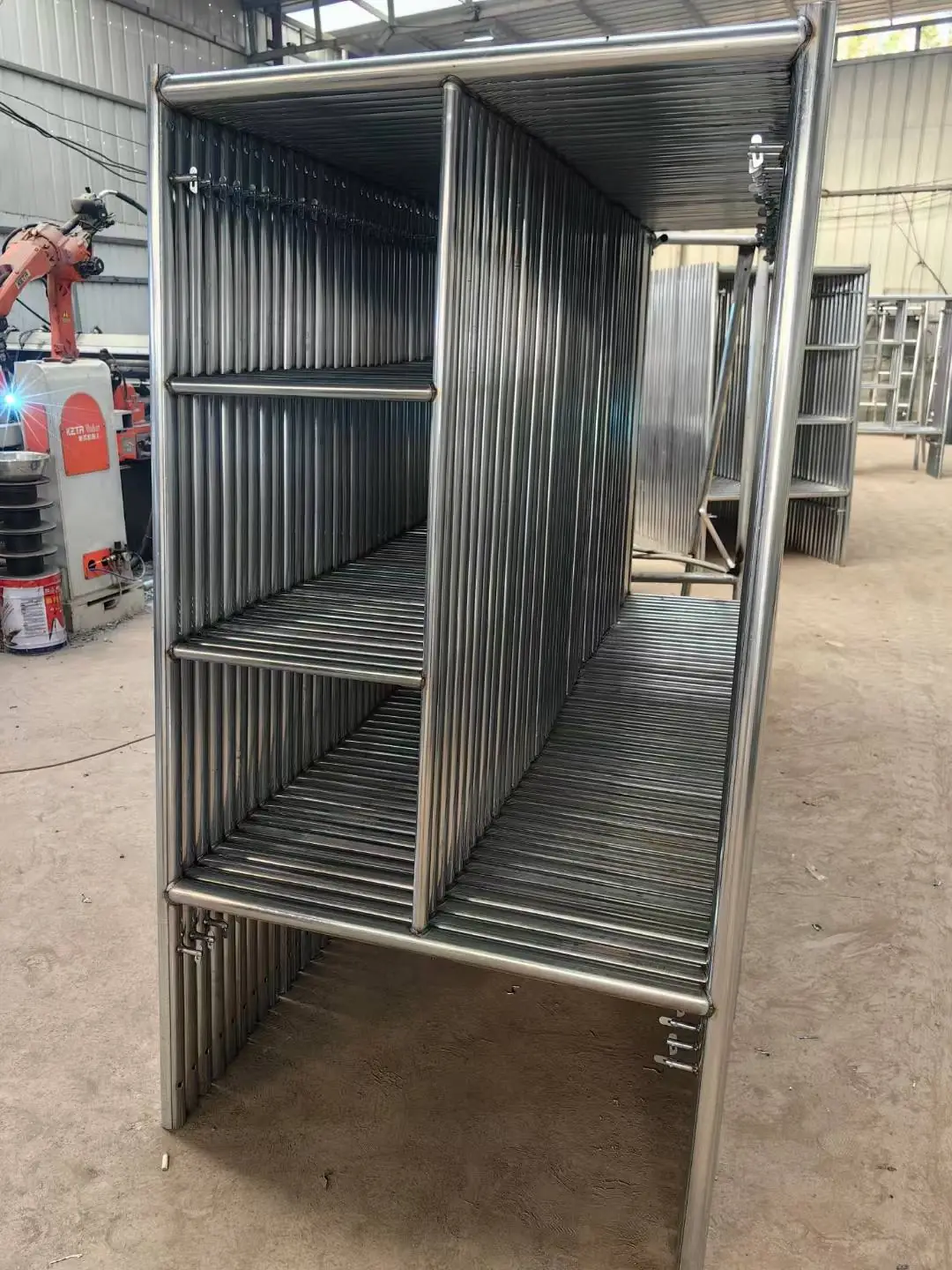
Begin with the Complete Scaffold Configuration
The first step is to identify the complete frame scaffolding configuration required for the project. Different applications may require different frame dimensions, platform arrangements, access equipment, bracing patterns, and protective components. Looking at individual parts without considering the complete assembly can lead to compatibility problems later.
Project teams should review manufacturer drawings, component specifications, assembly instructions, and accessory information before procurement. This is particularly important when components from multiple sources are being considered. OSHA states that components from different manufacturers should not be intermixed unless they fit together without force and the resulting scaffold maintains its structural integrity.
Match Frame Dimensions Carefully
The main frames establish the basic geometry of the scaffold, making their dimensions one of the first compatibility points to verify. Contractors should check frame height, width, tube dimensions, connection locations, and the configuration of horizontal members.
Stacking or connecting frames also requires suitable connection hardware. Pins or equivalent devices should correspond to the frame connections and prevent unintended separation. Small dimensional differences can affect the way components fit, so visual similarity should never be treated as proof of interchangeability.
For projects using multiple frame sizes, keeping a clear component identification system can also simplify installation. Labeling frames and accessories according to dimensions or application helps crews select the appropriate parts instead of relying on trial and error at the jobsite.
Check Cross Braces and Connection Points
Cross braces provide lateral stability and help maintain the geometry of an assembled scaffold. Their dimensions therefore need to correspond with the frames they connect. A brace with an unsuitable length or connection arrangement may not provide the intended support.
Before assembly, contractors should verify brace length, end fittings, locking arrangements, and connection locations. OSHA requires fabricated frame scaffolds to use cross, horizontal, or diagonal braces, or a combination of these, to secure vertical members laterally. Brace connections must also be secured against dislodging.
The condition of the brace connection is equally important. Bent fittings, damaged pins, or distorted connection points can prevent components from seating correctly, even when their original specifications are compatible.
Verify Platforms and Accessories
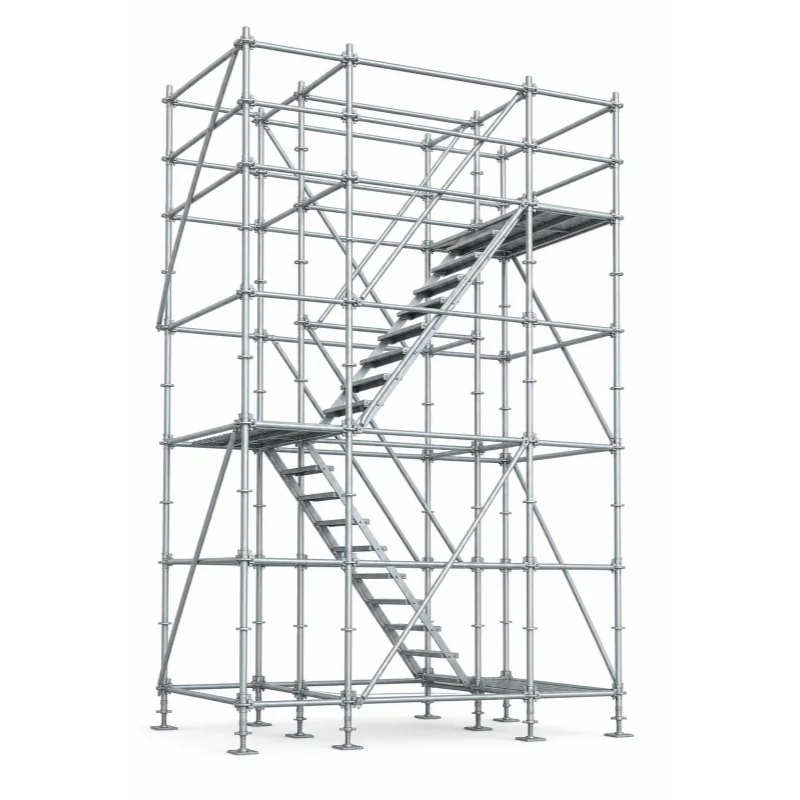
One advantage of modern frame scaffolding is its compatibility with a wide range of scaffolding accessories. These may include platforms, guardrails, toe boards, ladders, casters, leveling components, and other equipment used to adapt the scaffold to particular working conditions.
Compatibility should be confirmed for both dimensions and attachment methods. A platform needs appropriate bearing and support, while guardrails and access equipment must fit the frame arrangement without creating interference. Accessories should also be suitable for the intended application and loading conditions.
Access planning deserves special attention. Cross braces on tubular welded frame scaffolds should not be used as access or egress. Where ladders or other access systems are needed, their position should be incorporated into the scaffold layout from the beginning rather than improvised after erection.
Inspect Components Before Installation
A component can be dimensionally compatible and still be unsuitable for use because of damage or deterioration. Before assembly, crews should inspect frame scaffold components for bending, cracks, damaged welds, excessive corrosion, deformed fittings, and problems with locking mechanisms.
Connection areas deserve particular attention because they transfer forces between individual parts. If a pin, brace, platform, or frame does not connect properly, workers should not attempt to force the component into position or modify it at the jobsite simply to make it fit.
Regular inspection also helps companies identify components that should be repaired, segregated, or removed from service. Maintaining accurate records of component condition can further support consistent equipment management across multiple projects.
Consider Load Capacity and Stability
Compatibility involves more than whether two parts physically connect. The complete scaffold must also be appropriate for its intended working loads, height, platform arrangement, and site conditions.
OSHA requires each scaffold and scaffold component to support its own weight plus at least four times the maximum intended load. Supported scaffolds must also be properly supported and maintained, with frames and uprights plumb and braced to prevent swaying and displacement.
Contractors should therefore assess the complete load path rather than checking components individually. Platforms, frames, braces, connections, and foundations all contribute to the performance of the assembled system.
Avoid Unverified Component Mixing
Mixing frame scaffold components from different manufacturers can create uncertainty even when dimensions appear similar. Differences in connection tolerances, material properties, locking mechanisms, and component geometry may affect the completed assembly.
When different sources must be considered, the responsible competent or qualified person should verify that the components fit properly and that the assembled scaffold retains its required structural integrity. If compatibility cannot be demonstrated, using a complete system from one established source is generally a more straightforward procurement strategy.
How We Approach Frame Scaffolding
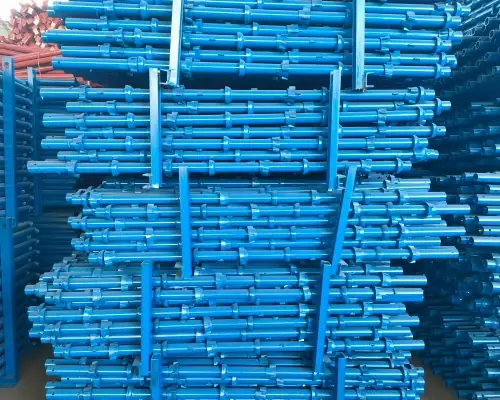
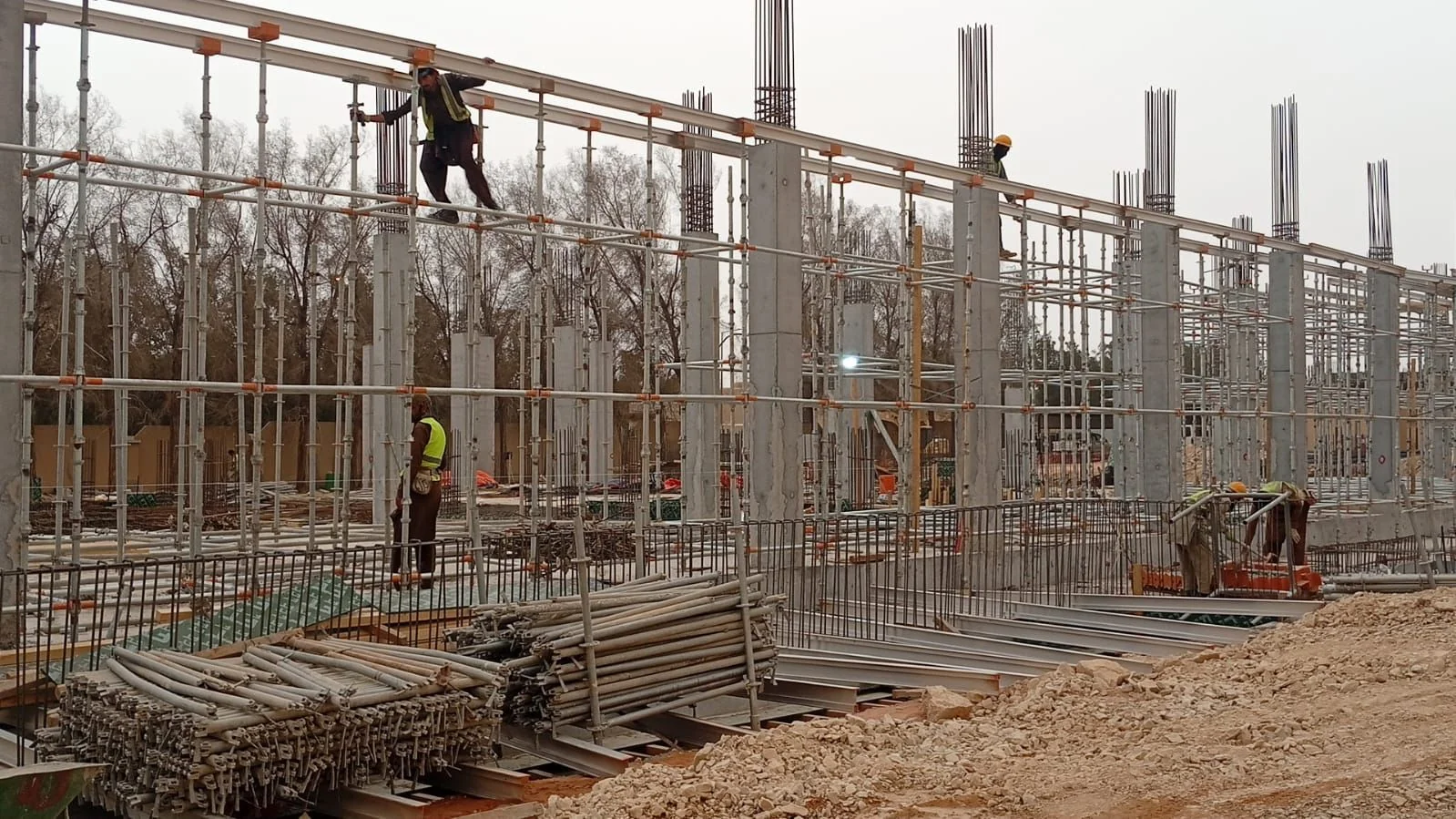
We supply frame scaffolding designed around the practical needs of construction, masonry, plastering, painting, and maintenance applications. Our modular systems support fast installation and dismantling while providing a stable working platform for residential, commercial, and industrial projects.
We also recognize that contractors often need more than standard frames. Our frame scaffolding can work with a wide range of scaffolding accessories, allowing project teams to configure equipment around different working requirements. We focus on matching the system, accessories, and application rather than treating every component as an isolated product.
Make Compatibility Part of Procurement
A reliable compatibility check should happen before components arrive at the work area. Contractors can begin by confirming the system and frame dimensions, then verify connection points, braces, platforms, accessories, physical condition, loading, and overall stability.
We at Rongze recommend treating these checks as part of procurement and pre-erection planning. With the right frame scaffolding configuration and compatible frame scaffold components, construction teams can make assembly more predictable, support efficient workflows, and reduce avoidable problems during installation and use.