Price is easy to compare when contractors evaluate formwork suppliers. A quotation provides an immediate number, but it says little about dimensional consistency, manufacturing control, customization capability, or whether the supplier can deliver reliably across an entire project. For buyers investing in reusable steel formwork systems, the better question is what stands behind the quoted price and how those capabilities affect construction performance.
Start With the Formwork System, Not the Price
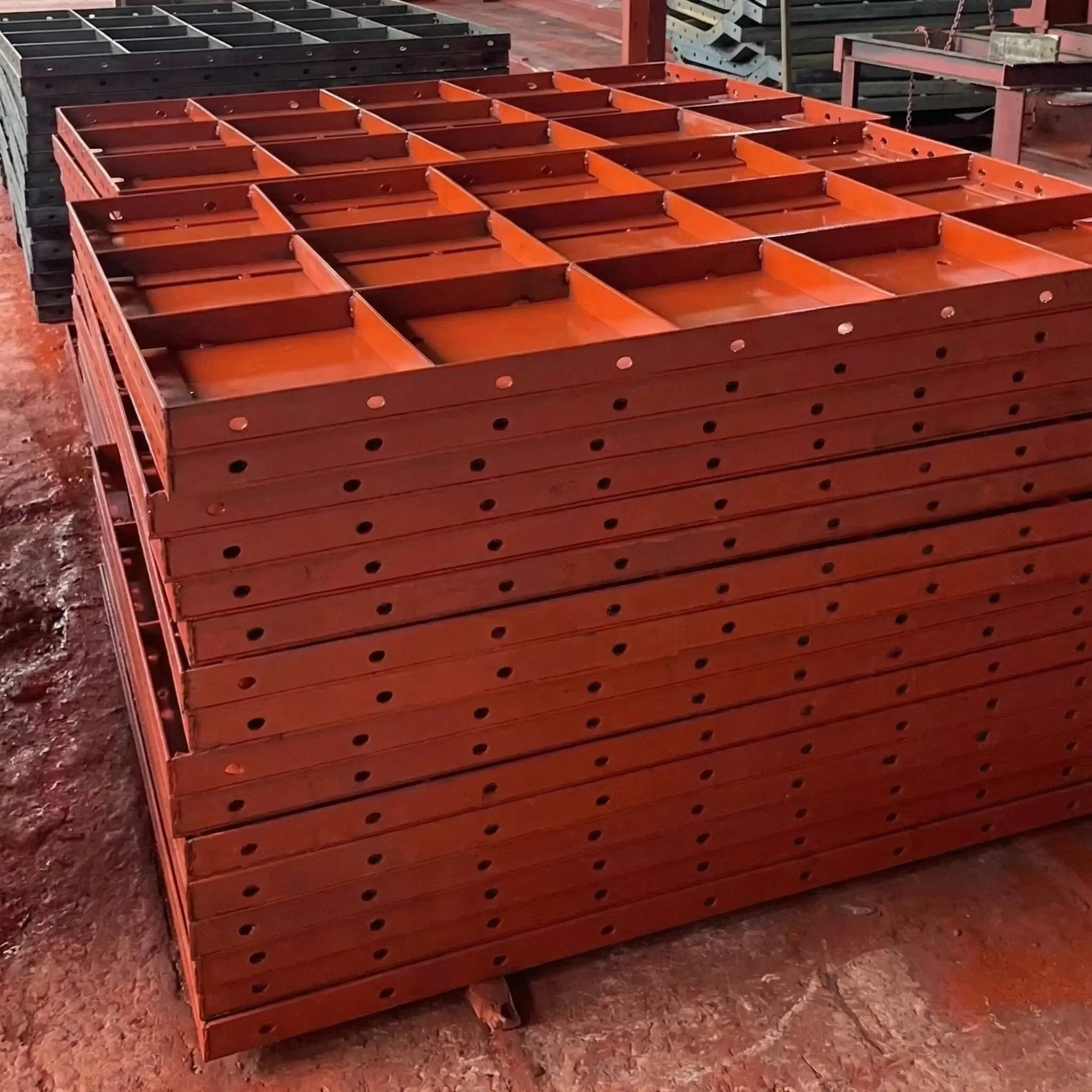
Steel formwork is expected to perform repeatedly under demanding construction conditions. Panels need to maintain their intended dimensions and configuration while concrete is placed, supported, and eventually stripped. The system must also integrate with other components used for alignment, connection, support, and access.
For this reason, buyers should evaluate the complete system rather than treating individual panels as isolated products. A lower-priced panel may offer little value if inconsistent dimensions create installation problems or if the supplier cannot provide compatible components when project requirements change.
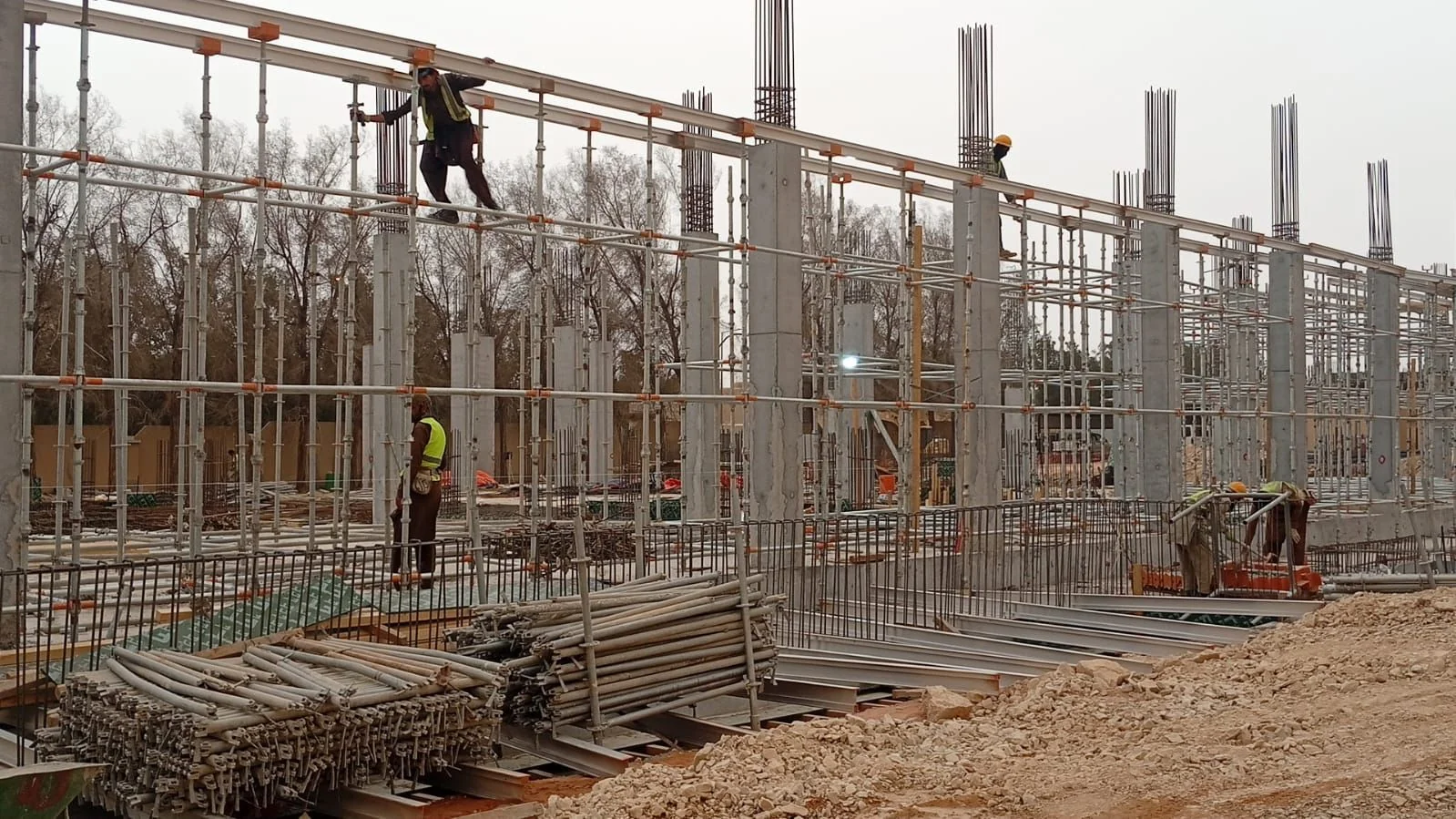
A good supplier should understand the application and provide a system that corresponds with the project’s concrete elements. Wall, column, beam, and slab applications may require different configurations, so flexibility is an important part of the purchasing decision.
Manufacturing Quality Determines Consistency
Reusable formwork passes through repeated handling and concrete cycles. Manufacturing quality therefore has a direct relationship with long-term usability. Welding quality, dimensional accuracy, panel alignment, and component consistency all deserve attention before an order is placed.
Professional welding technology is particularly important for steel frames because joints connect structural members and contribute to the overall rigidity of each panel. Production controls should be supported by inspection rather than relying only on the final visual appearance of finished products.
Buyers should ask how panels and components are inspected before shipment. A supplier with systematic quality-control procedures is better positioned to identify dimensional deviations and manufacturing defects before products reach a construction site.
Customization Is More Than Changing Dimensions
Construction projects rarely follow exactly the same configuration. Building geometry, concrete element dimensions, connection arrangements, and site conditions can differ considerably between projects. Consequently, standard formwork may not always provide the most efficient solution.
Reliable steel formwork suppliers should be able to discuss customization based on actual project requirements. Modular panels and customizable components can help contractors organize forming solutions around different concrete structures while maintaining a consistent approach to assembly.
However, customization should be technically controlled. Changing a panel dimension or component arrangement can affect connections, handling, support requirements, and overall system compatibility. Buyers should therefore look for suppliers capable of coordinating customization with manufacturing and quality inspection.
Production Capability Supports Project Schedules
A formwork supplier’s production facilities matter because construction projects operate according to schedules. Delayed or inconsistent deliveries can affect subsequent activities, particularly when formwork is required repeatedly across different floors, structures, or project phases.
Modern production lines can improve manufacturing consistency when combined with appropriate process controls. Professional welding equipment and organized production procedures also help manufacturers produce components according to agreed specifications.
Capacity alone, however, should not be the only consideration. Buyers should evaluate whether the supplier can maintain quality while fulfilling the required order volume. A large factory is useful only when its production capability is matched by reliable quality management and delivery coordination.
Inspection Should Continue Before Shipment
Pre-shipment inspection is one of the practical differences between a supplier that simply manufactures products and one that manages quality systematically. Each panel and component should be checked against agreed specifications before it leaves the factory.
For reusable steel formwork systems, dimensional accuracy is particularly important because panels need to connect and align during assembly. Small inconsistencies can become more troublesome when multiple panels are combined into a larger forming arrangement.
We apply comprehensive inspection to our steel formwork panels and components before shipment. This approach helps us maintain consistent quality, dimensional accuracy, and reliable performance while giving project buyers greater confidence in the products they receive.
Global Experience Reveals Supply Reliability
International projects introduce additional challenges. Different markets can involve different construction practices, project scales, shipping requirements, and communication processes. A supplier experienced in export markets is more likely to understand the coordination required beyond factory production.
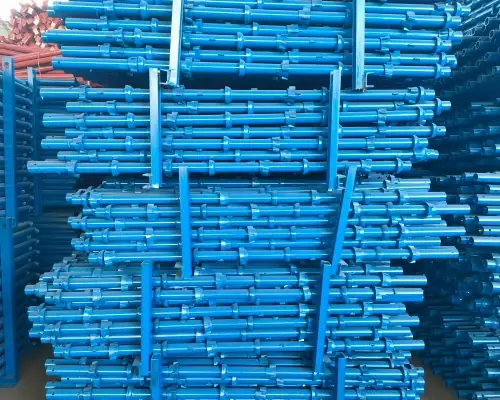
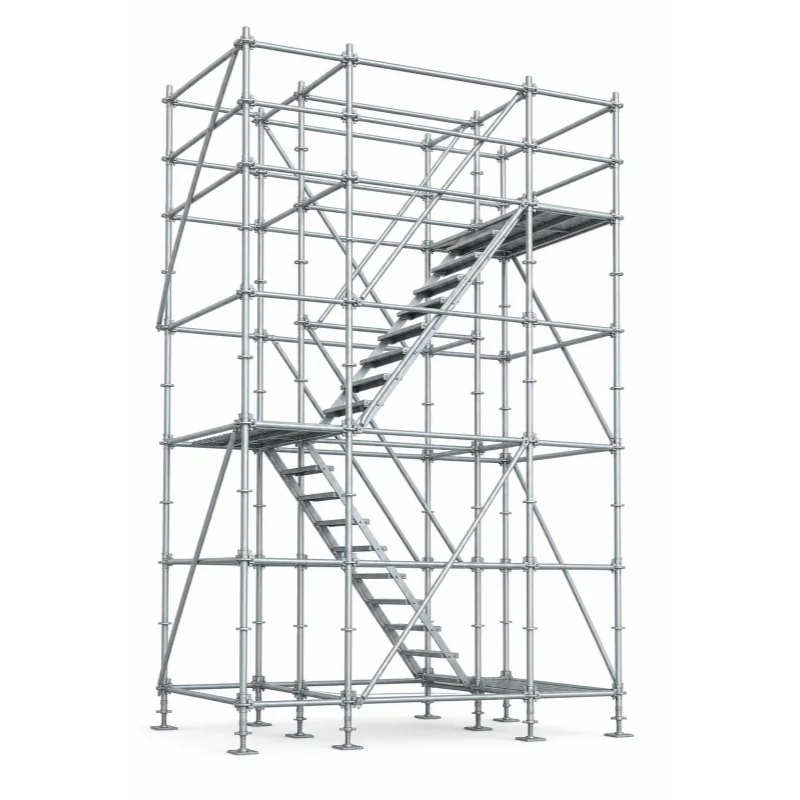
We have supplied our scaffolding and formwork products to customers across South America, the Middle East, Africa, Southeast Asia, and Europe. Our export experience covers construction projects in more than 50 countries, giving us practical experience supporting buyers with different project requirements.
For contractors and distributors, this experience can matter when evaluating long-term supply relationships. The objective is not simply to purchase steel panels but to establish a supply process that remains dependable as project requirements evolve.
Evaluate the Supplier Behind the Quotation
A useful supplier evaluation should consider several factors together: product quality, manufacturing technology, inspection procedures, customization capability, production capacity, export experience, and communication. Price should remain part of the comparison, but it should not become the only deciding factor.
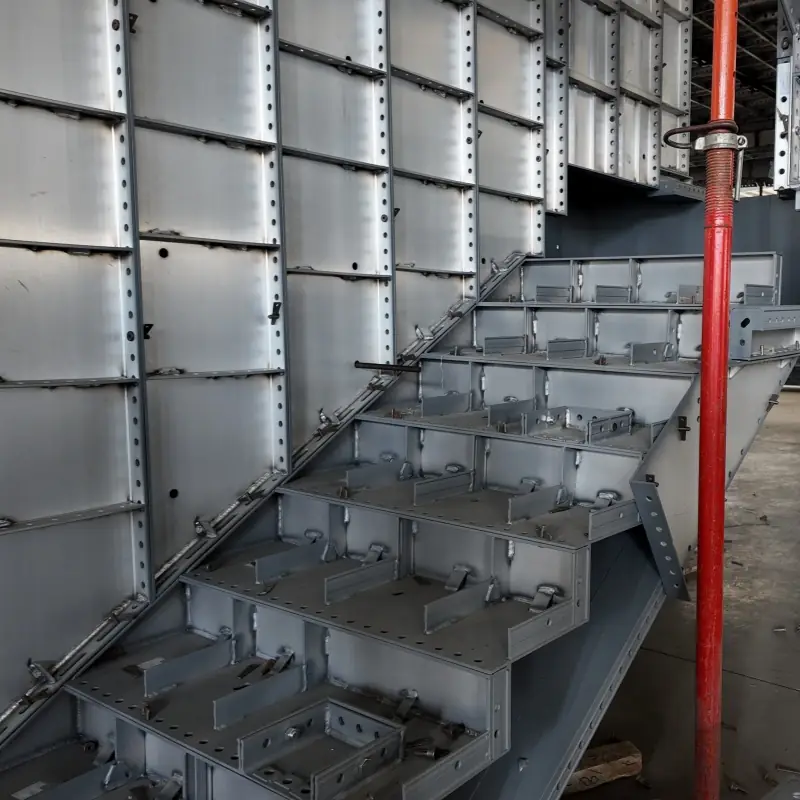
We provide reusable steel formwork for concrete walls, columns, beams, and slabs across residential, commercial, and infrastructure applications. Our modular panels and customizable components are designed to support efficient assembly, dimensional accuracy, and dependable performance across different concrete formwork requirements.
Our advanced production facilities and professional welding technology support precise manufacturing, while comprehensive inspection is carried out before shipment. This combination allows us to focus on consistency rather than competing on price alone.
Choose Value That Continues Beyond the First Order
Good steel formwork suppliers provide more than a competitive quotation. They combine manufacturing capability, quality control, customization, export experience, and dependable communication to support the complete procurement process.
We at Rongze believe the value of reusable steel formwork should be assessed over its working life and across the entire project supply chain. By evaluating what stands behind the price, contractors and distributors can make better-informed purchasing decisions and select a supplier capable of supporting consistent formwork requirements from the first shipment through future projects.